Resistant Starch: How Cooling and Reheating Carbs Changes Their Effect on Blood Sugar
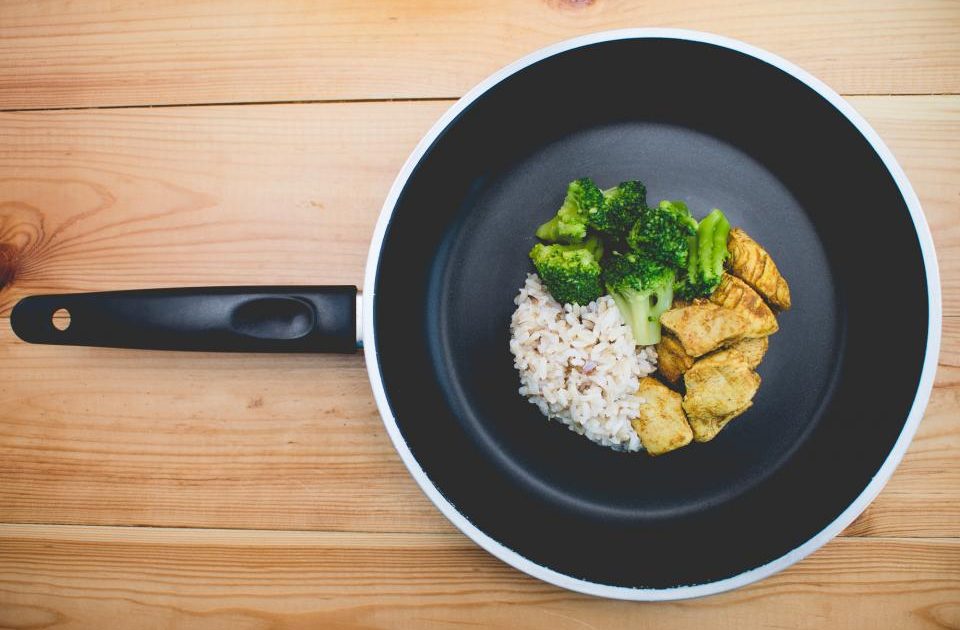
It sounds almost too simple to be true: cooking pasta, rice, or potatoes, then letting them cool in the fridge before eating, can change how your body responds to them. This isn’t a diet myth — it’s a well-documented effect of a compound called resistant starch, and it’s one of the more practical, low-effort nutrition tricks that most people have never heard of. The common mistake is assuming all carbs behave identically regardless of how they’re prepared.
Here’s what resistant starch actually is, why the cooling process matters, and how to use it to your advantage without overhauling your diet.
What Is Resistant Starch?
Most starches are broken down by digestive enzymes in the small intestine and absorbed as glucose, which is what raises blood sugar after a carb-containing meal. Resistant starch, as the name suggests, resists this digestion. It passes largely intact into the large intestine, where it behaves more like fiber than a typical starch.
There are several types of resistant starch, but the one relevant to home cooking is called retrograded resistant starch. It forms when certain cooked starchy foods are cooled, causing some of the starch molecules to recrystallize into a structure that’s harder for digestive enzymes to break down.
- Foods commonly affected include rice, potatoes, pasta, and legumes.
- The effect is measurable after just a few hours of refrigeration, though longer cooling (overnight) tends to increase it further.
- Reheating doesn’t fully reverse the effect — some of the resistant starch formed during cooling remains even after the food is warmed back up.
What the Evidence Shows About Blood Sugar
Research consistently shows that cooling and reheating starchy foods like rice and potatoes produces a measurably lower blood sugar response compared to eating the same food freshly cooked and hot. This is generally explained by the increased resistant starch content, along with the way it slows overall carbohydrate digestion and absorption.
It’s worth being precise about the size of the effect: studies on this topic generally show a moderate reduction in post-meal blood sugar response, not a dramatic one, and individual responses vary based on factors like the specific food, portion size, and what else is eaten alongside it. This makes cooling-and-reheating a useful tool within an overall blood-sugar-friendly eating pattern, not a substitute for one.
- The effect has been demonstrated across several starchy staples, most consistently with rice and potatoes.
- Because resistant starch isn’t digested in the small intestine, it contributes fewer usable calories per gram than fully digestible starch, similar in this respect to dietary fiber.
- The Academy of Nutrition and Dietetics notes that both resistant starch and fiber support gut and metabolic health, aligning with broader guidance to prioritize minimally processed carbohydrate sources.
Why Resistant Starch Matters Beyond Blood Sugar
The metabolic slowdown isn’t the only benefit. Because resistant starch reaches the large intestine largely undigested, it becomes food for gut bacteria — a process similar to how fiber is fermented by the gut microbiome.
- Fermentation of resistant starch by gut bacteria produces short-chain fatty acids, compounds that research has linked to gut and metabolic health.
- It can contribute to a feeling of fullness, similar to the satiety effects associated with higher-fiber foods.
- For people specifically tracking fiber intake, resistant starch is a useful additional source, especially relevant since most adults fall short of daily fiber targets.
Which Foods Work Best, and How to Prepare Them
Not every carbohydrate food responds to cooling and reheating the same way, and some naturally contain more resistant starch even without cooling tricks.
- White or brown rice: cook as usual, refrigerate for at least a few hours (ideally overnight), then reheat before eating.
- Potatoes: boil or roast, cool completely in the fridge, then reheat or eat cold in a potato salad.
- Pasta: cook, cool, and reheat, or use in a cold pasta salad — a naturally suitable format for this approach.
- Legumes (beans, lentils): naturally higher in resistant starch even when freshly cooked, and cooling further increases it.
- Green (unripe) bananas and oats: also contain notable resistant starch without any special preparation needed.
How to Apply This: A Simple Routine
You don’t need to cool and reheat every carbohydrate you eat — small, consistent swaps are enough to make a difference over time.
- Batch-cook rice or potatoes once or twice a week and refrigerate portions instead of always cooking fresh.
- Let cooked starches cool for at least a few hours, and ideally overnight, before eating or reheating.
- Reheat gently (microwave or stovetop) rather than aggressively recooking, since some resistant starch remains even after reheating.
- Combine with protein, fat, or fiber at the same meal, since this combination generally produces a gentler blood sugar response than carbs eaten alone.
- Use cold preparations directly, like potato salad or cold pasta salad, when convenient — no reheating required.
People managing diabetes or insulin resistance may find this approach a useful complement to other diet strategies, but it should be layered onto — not used as a replacement for — personalized guidance from a healthcare provider or registered dietitian.
Common Mistakes to Avoid
The biggest mistake is expecting this trick to offset an otherwise very high-carbohydrate meal, or treating it as a loophole rather than a modest, additive strategy.
- Reheating starches until piping hot for extended periods, which can reduce some of the resistant starch benefit compared to gentle reheating.
- Assuming this technique makes any portion size “safe” for blood sugar — portion and overall meal composition still matter most.
- Only cooling starches once and expecting a dramatic, permanent change in how your body handles them long-term.
- Ignoring other basics like fiber intake, activity, and consistent meal timing while focusing only on this one trick.
Does freezing starchy foods have the same effect as refrigerating them?
Refrigeration is the most studied method for this effect. Freezing and thawing may have some similar impact, but cooling in the refrigerator for several hours to overnight is the most consistently demonstrated approach.
Can I reheat rice or potatoes multiple times and keep the benefit?
The resistant starch that forms during the first cooling period is largely retained through gentle reheating, but always follow standard food-safety guidance on how many times and how long cooked rice or potatoes can be safely stored and reheated.
Is resistant starch the same as fiber?
They’re closely related but not identical. Resistant starch behaves like fiber in that it resists digestion and feeds gut bacteria, but it’s chemically a starch rather than one of the classic dietary fiber types — many nutrition resources now discuss them together as part of total “dietary fiber” on some labeling systems.
Will this trick help me lose weight?
Resistant starch may support fullness and contributes slightly fewer usable calories per gram, but it’s a modest supporting factor, not a standalone weight-loss strategy. Overall calorie balance and diet quality remain the primary drivers of weight management.
Related reading
Affiliate & medical disclosure: This review is independent and for information only, not medical advice. Some links may be affiliate links; we may earn a commission at no cost to you, which never affects our score. Consult a licensed provider before starting any product.