Direct Meds Review 2026: Honest Look at Sign-Up, Care & Red Flags
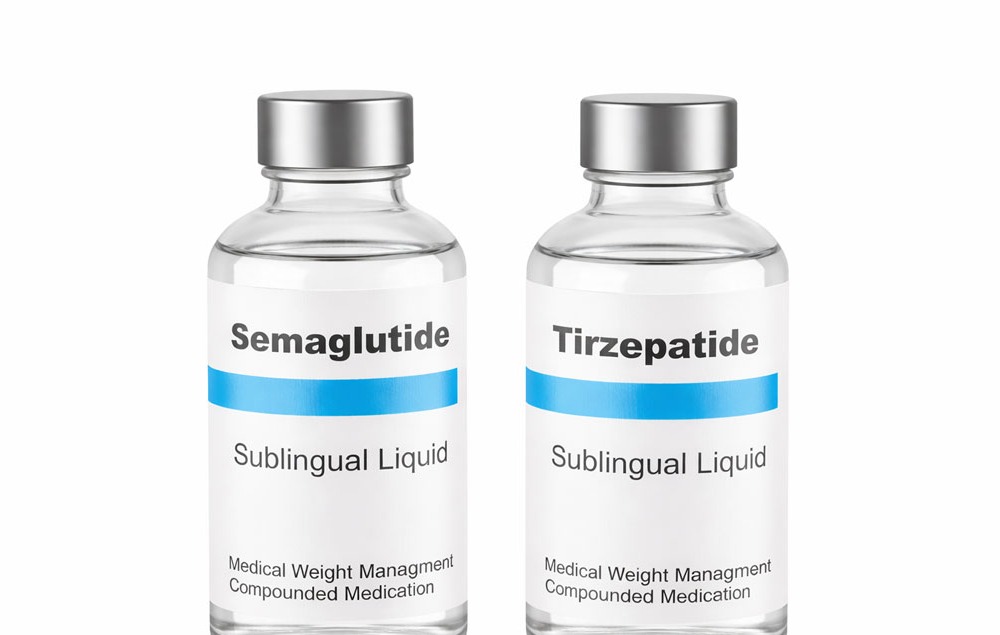
Direct Meds is a telehealth company with a Houston, Texas mailing address that prescribes compounded semaglutide and tirzepatide online and ships them from U.S. compounding pharmacies, either as weekly injections or as drops you hold under your tongue. It also sells hormone, skin, hair and sexual-health treatments, but GLP-1 weight-loss care is the heart of its advertising.
The service itself is simple to use and the pricing is unusually clear. The marketing around it is another story: countdown timers, shifting customer counts and bold weight-loss promises. This review walks through how signing up works, what the care model really is, the fine print worth reading, and who should or shouldn’t use it.
How Signing Up With Direct Meds Works
The process is entirely online, and the order of steps is a little unusual: you choose and pay for a medication before a clinician has looked at your health history. Here is the sequence the brand describes:
- Eligibility check. A short online form starts by calculating your BMI. The brand says the health qualifier should take about 5 minutes.
- Pick a medication. You choose semaglutide or tirzepatide, as injections or drops.
- Pay for the first month. Checkout says you are only charged if your prescription is approved, and the FAQ promises a full refund otherwise.
- Complete the medical intake. This happens afterward, inside the Direct Meds patient portal.
- Provider review. A clinician is expected to review your chart within 24 hrs, and the brand says often in less than 5 hrs. They decide whether a prescription is appropriate and at what dose.
- Shipping. Prescriptions received before 2 pm central time ship the same day in temperature-controlled packaging; weekend orders ship Monday.
- Refills. When you run low, you message your provider through the portal, they review the dose and send a new prescription.
Paying first is convenient, but it means you are committing to a product before a medical conversation. Read the cancellation rules below before you enter a card.
Injections or Drops: What You’d Actually Be Using
| Form | How it’s taken | Regular monthly price |
|---|---|---|
| Semaglutide injection | Once a week, under the skin of the stomach, with small insulin-size needles | $297 |
| Tirzepatide injection | Once a week, same method | $399 |
| Semaglutide sublingual drops | Daily, held under the tongue | $249 |
| Tirzepatide sublingual drops | Daily, held under the tongue | $299 |
Injections follow a step-up schedule. The standard semaglutide protocol in the brand’s FAQ is 0.25 mg weekly for the first 4 weeks and 0.5 mg weekly for the next 8 weeks, and Direct Meds says this dosage will include ondansetron (Zofran), an anti-nausea medicine. Ask your prescriber whether you actually need it.
The drops come with stricter habits: hold them under your tongue for 1-2 minutes before swallowing and avoid eating, drinking or smoking for at least 15 minutes before and after. Direct Meds says studies support the drops as an alternative to injections, but sublingual compounded GLP-1s have far less published research behind them than the injectable drugs. If you’re choosing drops to avoid needles, discuss that trade-off openly with the clinician.
The Care Model: Who You’re Actually Dealing With
Direct Meds’ terms are candid that it is “a technology platform.” It says it does not practice medicine; it connects you with third-party medical groups, licensed providers and compounding pharmacies. Your clinical relationship is with those providers, not with Direct Meds itself.
On the clinical side, the brand names Dr. Justin Hohl as Chief Medical Officer and says its medical director has reviewed its doctor and pharmacy network. Medications come from U.S.-based 503A compounding pharmacies, which prepare drugs for individual prescriptions and are licensed by state boards. The company also says it holds LegitScript certification, a common compliance check for online pharmacies and telehealth firms.
Support is where Direct Meds pitches itself hardest. It says each patient gets a dedicated clinical care team, it describes a full nursing staff for ongoing questions, and customer support is advertised as available 24/7 by phone, text, email or chat. Checkout goes further and promises “UNLIMITED doctor calls 7 days a week.” We can’t verify response times ourselves, so treat these as the brand’s claims and test them early: send a portal question in your first week and see how quickly a clinician answers.
Red Flags and Fine Print
None of these is a deal-breaker on its own, but together they argue for going in carefully.
- High-pressure checkout. The order page shows a 15:00 countdown labeled “Your approval is valid for,” plus “Only 29 discounts left,” before any clinician has reviewed you. That is sales pressure, not medical approval.
- Inconsistent numbers. The landing page claims 350,000+ customers and a 4.8 rating. The homepage says 300,000+ and shows a 4.6 Trustpilot badge, a different section says 290,000+, and the weight-loss FAQ cites “more than 53,000 satisfied patients.”
- Aggressive results marketing. Ads promise 1-2 lbs a week and 15% of body weight, alongside a weight calculator and before-and-after photos. The fine print ties that figure to 68-week trials of brand-dose GLP-1 at 2.4 mg a week, which is not the same as a compounded product. Individual results vary widely.
- A vague guarantee. The “Weight Loss Guarantee” depends on finishing your “complete program,” which isn’t defined.
- Strict cancellation rules. Orders can only be cancelled within 24 hours, received medication isn’t refundable, and renewals happen every 30 days unless you switch off auto-refill at least 48 hours ahead. Returned medication carries a $35 disposal fee.
- Legal terms. By purchasing, you waive your right to fill the prescription at another pharmacy, and disputes go to binding individual arbitration in Utah with no class actions.
Who Direct Meds Suits, and Who Should Skip It
A reasonable fit if you: want compounded GLP-1 treatment without insurance, like a flat price that doesn’t change with your dose (“Same price, every dose”), want the option of needle-free drops, and are comfortable managing a subscription carefully.
Better to skip if you:
- live in Mississippi or Louisiana, where Direct Meds doesn’t operate;
- are under 18, or have a personal or family history of medullary thyroid cancer or MEN 2, which the brand’s own safety notice lists as reasons not to use GLP-1s;
- want an FDA-approved medication, since compounded versions are not;
- have complex health conditions that need in-person monitoring;
- are easily swayed by countdown timers and would rather decide without pressure.
Our Verdict
Direct Meds runs a convenient, fast and clearly priced telehealth service for compounded semaglutide and tirzepatide, with injection and drop options and no membership fee. The nurse-led support model sounds strong on paper, although we can’t confirm how it performs day to day.
What holds it back is the sales layer: countdown timers that manufacture urgency, customer counts that don’t match, and weight-loss promises the fine print doesn’t fully support. Use the medical review, not the marketing, to make your decision, keep notes of every cancellation request, and treat the guarantee as unproven.
Direct Meds FAQ
Is Direct Meds legit?
It is a real U.S. company with a published Houston mailing address, a named Chief Medical Officer and claimed LegitScript certification, using licensed 503A pharmacies. Its marketing is more aggressive than its service warrants, so judge it on the terms, not the ads.
How fast does medication arrive?
The brand says providers usually review within 24 hrs and that approved prescriptions ship within 1 to 2 business days, with free shipping.
How do I cancel?
The terms say to turn off auto-refill in your portal at least 48 hours before your next processing date. Other pages mention email, phone or the portal, so use the portal and keep written confirmation.
What side effects should I expect?
Direct Meds lists nausea, constipation and fatigue as the most common. Report anything severe to a clinician promptly.
Compounded medications are prepared by licensed pharmacies but are not FDA-approved, and the FDA has not evaluated them for safety, effectiveness or quality. A licensed clinician decides whether any prescription is appropriate. This article is general information, not medical advice.
Related reading
Affiliate & medical disclosure: This review is independent and for information only, not medical advice. Some links may be affiliate links; we may earn a commission at no cost to you, which never affects our score. Consult a licensed provider before starting any product.