Midi Health Review 2026: An Honest Look at Menopause-Focused Weight Care

Weight gain in your forties and fifties often arrives with poor sleep, night sweats, mood swings and brain fog. Most GLP-1 telehealth brands treat the weight and ignore everything else. Midi Health starts from the other end: it is a virtual menopause and women’s midlife clinic, and weight care is one of the things its clinicians manage alongside hormones and symptoms.
That makes the experience feel different from a typical “fill out a quiz, get a vial” program. You book a real appointment, often billed to your health insurance. A clinician may or may not prescribe a GLP-1. And you can be treated for hot flashes and weight in the same conversation. This honest review walks through how signing up works, what ongoing care looks like, the medication forms on offer, and the fine print worth reading before you book.
What Midi actually is
Midi describes itself as a virtual healthcare clinic for women and says more than 500k women have used it. Its homepage says a first consultation produces a Care Plan with options for over 30 menopause-related symptoms, including hormone therapy, non-hormonal treatments and lifestyle changes. Its care areas also include perimenopause, PCOS, urinary and vaginal infections, longevity and cancer survivorship.
The clinical work is done by affiliated medical groups named in Midi’s terms (Integrative Women’s Care PC and related IWC groups). The clinicians include OB/GYNs and nurse practitioners, several with menopause certifications. Midi says visits are available in all 50 states. Its GLP-1 materials add that prescription options are not available everywhere and depend on your state and eligibility.
Signing up, step by step
- Check coverage first. Midi’s pricing page lets you enter your state and insurance carrier to see whether it is in-network. You don’t need a referral.
- Register and upload your insurance card. Midi says its system tells you right away whether you’re in-network. If you’re not, you can switch to a self-pay visit.
- Have your first video visit. It runs about 30 minutes. The clinician goes over your health history, symptoms, past treatments and weight goals.
- Get labs if needed. Midi may order tests such as a metabolic panel, thyroid testing or insulin-sensitivity markers. It can also point you to local screenings or coordinate with another doctor.
- Receive your Care Plan. This may include a GLP-1, but Midi is explicit that booking a visit does not automatically mean you’ll get one. Your plan may lean on lifestyle support, hormone therapy or non-hormone medication instead.
- Follow up. Returning visits are 15-minute check-ins to adjust treatment, booked “as often as you need,” in Midi’s words.
What ongoing care feels like
This is appointment-based medicine rather than a chat-and-ship subscription. Your clinician reviews your history, current medications and risk factors before deciding on a GLP-1. If you start one, they adjust the dose or switch options for common side effects such as nausea, constipation, diarrhea, bloating or heartburn. Midi also says hormone therapy isn’t prescribed as a weight treatment on its own, but it can ease symptoms like disrupted sleep that make weight harder to manage.
The appointment model has a cost in convenience. Every meaningful change runs through a scheduled visit, and some Trustpilot reviewers mention waits for appointments. On the other hand, you’re seeing a clinician who specializes in midlife women, not a rotating prescriber reviewing a form.
Medication forms you might be offered
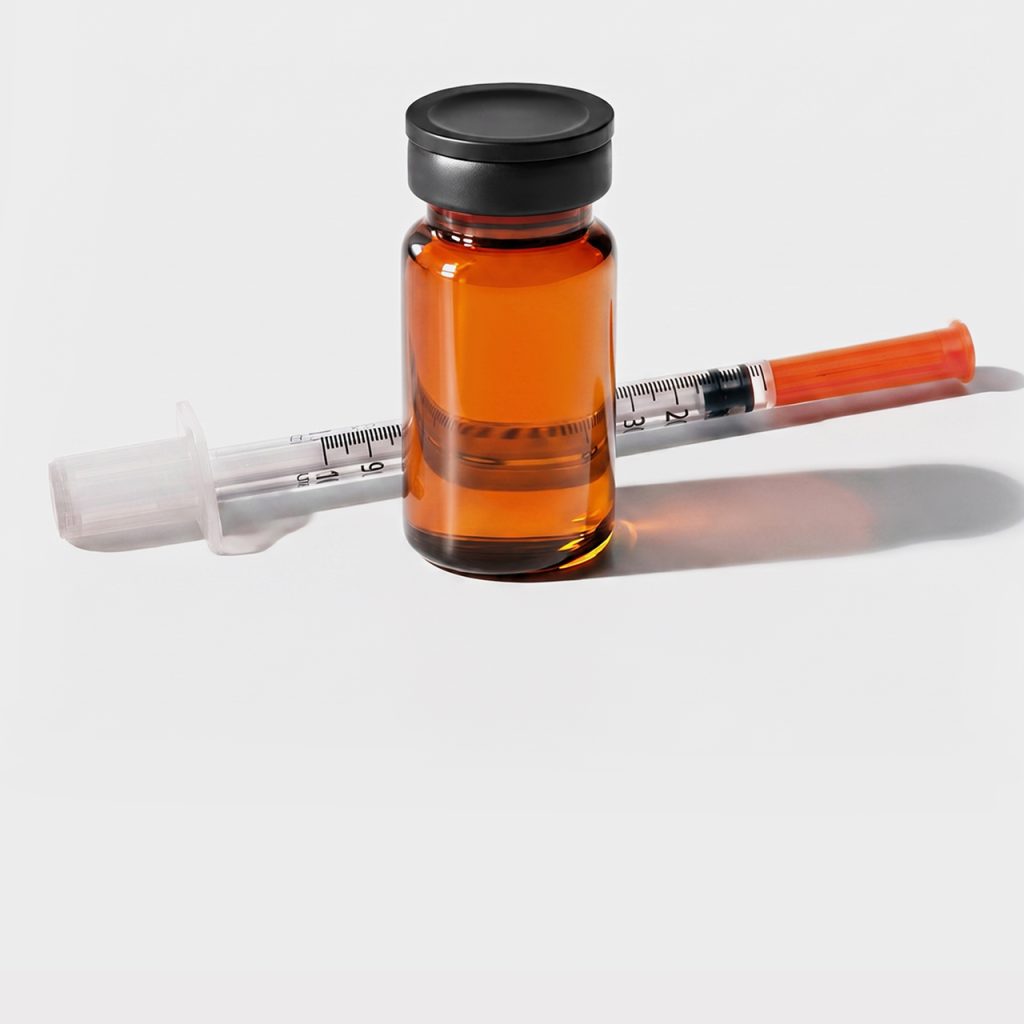
Brand-name GLP-1s such as Wegovy or Zepbound are sent to your pharmacy of choice, so insurance and pharmacy pricing apply. Midi also prescribes compounded options made by licensed 503A partner pharmacies (its terms name Precision Compounding Pharmacy). These ship discreetly with supplies included.
| Form | How it’s taken | Starting price per 4 weeks |
|---|---|---|
| Brand-name GLP-1 (e.g., Wegovy, Zepbound) | As prescribed, filled at your pharmacy | Depends on your insurance |
| Compounded GLP-1 injection | Self-injected | $165.90 |
| Compounded GLP-1/GIP injection | Self-injected | $210.00 |
| Compounded GLP-1 sublingual | Dissolved under the tongue | $164.00 |
| Compounded GLP-1/GIP sublingual | Dissolved under the tongue | $209.00 |
Prices rise as the dose goes up, and visits are billed on top. Without insurance, the first visit costs $250 and each follow-up costs $150. Midi also offers microdosing for eligible patients, starting at $34 per weekly dose, for women who want to start gently or are sensitive to side effects.
Fine print and red flags
- Medicare and Medicaid: Midi is out of network with Medicare, so beneficiaries can pay cash but can’t file claims. Midi can’t treat Medicaid or Medi-Cal patients at all, including as self-pay.
- Separate bills: Prescriptions, labs and imaging aren’t included in the visit price. Insured patients receive a bill later for anything the plan doesn’t pay.
- Auto-renewing prescriptions: Compounded prescriptions can run as subscriptions that keep charging until you cancel. The first renewal may be charged early.
- Refunds: Charges are generally non-refundable once something ships or a prescription is processed.
- Arbitration: The terms require individual arbitration unless you opt out within thirty days of accepting them.
- Marketing figures: The 16 lb average weight loss Midi advertises comes from self-reported data in a retrospective review of 6,958 patients with at least six months of care. Midi says results aren’t guaranteed, and its on-site testimonials come from ambassadors who may get free products.
What patients say
On Trustpilot, Midi Health held a 4.1 TrustScore from 1,843 reviews when we checked in November 2026. Reviews are split: 75% are five stars and 16% are one star. Positive reviews mostly praise clinicians who listen. The negative ones cluster around money and logistics rather than medicine: unexpected balances after insurance, coverage that turned out not to apply, trouble getting an appointment, refill or prescription-transfer delays, and slow replies from support. Confirming your benefits with your insurer before the first visit avoids the most common complaint.
Who Midi suits, and who should skip it
Midi fits women in perimenopause or menopause whose weight changes come bundled with other symptoms. It also suits anyone who wants an insurance-billed clinician rather than a cash subscription, and women who value talking to a menopause-trained provider before starting a GLP-1.
Skip it if you’re on Medicaid, if you want a fast prescription with no appointment, or if you’re a man or outside the midlife focus. Midi is built for women. Medicare patients should also weigh the self-pay cost carefully.
Verdict: a clinic first, a GLP-1 service second
Midi Health’s strength is the care around the prescription: clinicians who understand how hormones, sleep and metabolism interact in midlife, real video visits, and insurance billing that many competitors don’t offer. Its weak spots are typical of insurance-based medicine: separate bills, appointment waits, and fine print around auto-renewals and refunds. For the women it is designed for, it’s one of the more thoughtful ways to explore weight medication. We rate it 4.2 out of 5 for experience and fit.
Frequently asked questions about Midi Health
Will Midi definitely prescribe me a GLP-1?
No. Midi says a visit doesn’t automatically lead to a GLP-1. Your clinician weighs your history, medications and risks, and may suggest lifestyle support, hormone therapy or other medication instead.
Do I need to go anywhere in person?
Usually not. Visits are virtual. Midi can order labs for a local draw, recommend screenings and coordinate with your other doctors when something needs an in-person check.
Can I use my HSA or FSA?
Yes. Midi says HSA and FSA funds can be used for its visits and services.
Do I have to stay on a GLP-1 forever?
Not necessarily. According to Midi, some patients continue long-term while others reduce or stop with their clinician’s guidance, depending on how they respond and what they want.
Compounded medications are prepared by licensed pharmacies but are not FDA-approved, and the FDA has not evaluated them for safety, effectiveness or quality. A licensed clinician decides whether any prescription is appropriate. This article is general information, not medical advice.
Related reading
- Wellorithm’s GLP-1 Menu Decoded: Compounded vs Brand-Name, and What the Guarantee Really Covers
- Calibrate Review 2026: An Honest Look at the Program, Fine Print and Fit
- Sprout Health Review 2026: An Honest Look at Signup, Support and Fine Print
- GLP-1 and Alcohol: What Actually Happens When You Mix Them
Affiliate & medical disclosure: This review is independent and for information only, not medical advice. Some links may be affiliate links; we may earn a commission at no cost to you, which never affects our score. Consult a licensed provider before starting any product.