Fiber Supplements vs Whole Foods: Psyllium, Inulin, and When to Use Them
Most adults fall well short of daily fiber targets. The Academy of Nutrition and Dietetics recommends roughly 25 grams per day for women and 38 grams for men, yet national dietary surveys consistently find average intake closer to 15 grams — barely half. That gap has fueled a boom in fiber supplements: psyllium husk capsules, inulin powders, and gummy fiber blends now line pharmacy shelves as a shortcut to hitting the number.
But is popping a supplement the same as eating the fiber-rich foods it’s meant to replace? Not quite. Whole foods deliver fiber alongside water, vitamins, minerals, and a mix of fiber types that isolated supplements can’t fully replicate. Understanding when a supplement genuinely helps — and when it’s a poor substitute — makes the difference between a useful tool and wasted money.
What Fiber Supplements Actually Are
Most fiber supplements isolate one or two specific fibers rather than the full spectrum found in produce, whole grains, and legumes. Psyllium husk, extracted from the seeds of the Plantago plant, is a viscous soluble fiber that absorbs water and forms a gel in the digestive tract. Inulin, derived from chicory root or added synthetically to processed foods, is a fermentable fiber that feeds gut bacteria but offers little of the bulk-forming effect psyllium provides.
Other common options include methylcellulose (a synthetic, non-fermentable fiber often better tolerated by sensitive stomachs) and wheat dextrin. Each behaves differently in the gut, so “fiber supplement” is not a single category with one predictable effect — the source matters as much as the dose.
The Evidence Behind Whole-Food Fiber
Research consistently shows that diets rich in fiber from whole foods are associated with lower rates of heart disease, type 2 diabetes, and colorectal cancer. The World Health Organization notes that adequate fiber intake, largely from vegetables, fruits, legumes, and whole grains, is linked to reduced all-cause mortality in large population studies. Much of this benefit appears tied to the package fiber comes in — not just the fiber itself, but the polyphenols, resistant starch, and micronutrients that travel with it in unprocessed foods.
A 2019 body of evidence reviewed for global dietary guidelines found that each 8-gram increase in daily fiber intake corresponded to roughly a 5-27% reduction in various diet-related disease outcomes, depending on the condition studied. That dose-response relationship is one of the more consistent findings in nutrition science.
Where Supplements Genuinely Help
Fiber supplements are not without merit. Clinical evidence supports psyllium specifically for:
- Relieving constipation by adding bulk and softening stool
- Modestly lowering LDL cholesterol, an effect the American Heart Association has acknowledged for viscous soluble fibers
- Improving post-meal blood sugar control when taken before meals
- Bridging the gap on days when whole-food intake is genuinely low, such as during travel or illness
For people with diagnosed irritable bowel syndrome or chronic constipation, a doctor or dietitian may specifically recommend psyllium over dietary changes alone because the dose can be controlled precisely. This is a legitimate, evidence-backed use case rather than a shortcut.
Where Whole Foods Win
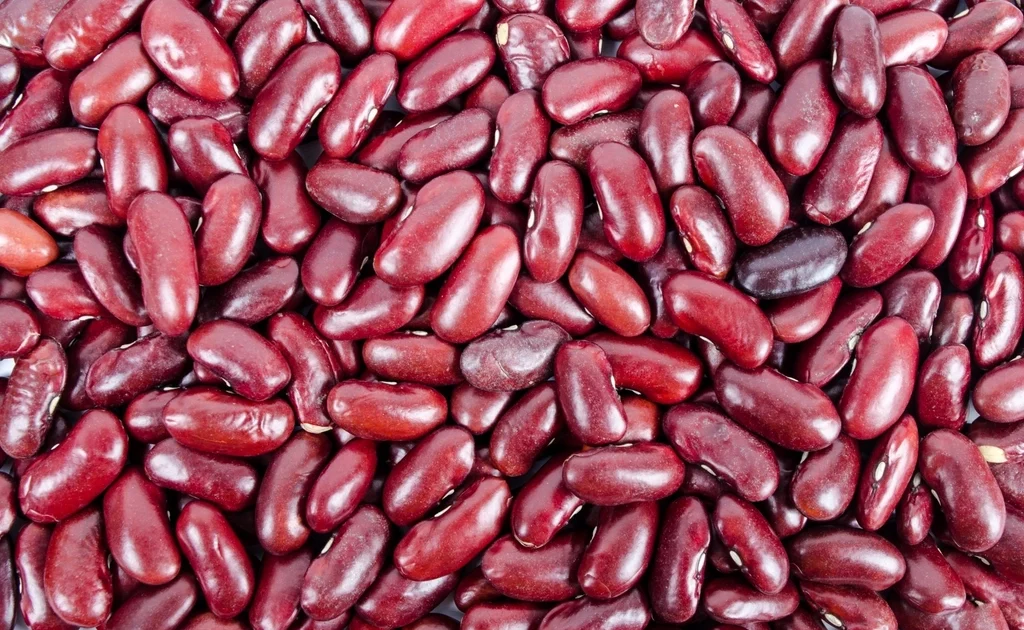
The National Institutes of Health and most dietitians agree that food sources should be the primary strategy for most healthy adults. Whole foods provide a mix of soluble and insoluble fiber types simultaneously, along with the vitamins, minerals, and plant compounds that supplements strip away. A cup of cooked lentils, for example, delivers about 15 grams of fiber along with protein, iron, and folate — a nutritional package no capsule replicates.
There’s also a satiety advantage. Whole foods generally require more chewing and add volume to meals, which supports fullness and appetite regulation in ways that a fiber pill, taken in isolation, does not.
Common Mistakes When Using Fiber Supplements
Bloating, gas, and cramping are the most frequent complaints, usually caused by increasing fiber intake too quickly. Gradual increases over one to two weeks, paired with adequate water intake, reduce these side effects substantially. Taking fiber supplements at the same time as certain medications can also blunt absorption, since the gel-forming action of psyllium can trap other compounds in the gut.
- Start with half the recommended dose and increase gradually over 7-14 days
- Always take fiber supplements with a full glass of water
- Separate fiber supplements from medications by at least two hours
- Don’t use supplements as a reason to skip vegetables, fruit, and whole grains entirely
How to Apply This: A Practical Approach
Rather than choosing supplements or whole foods, treat supplements as a targeted top-up. First, estimate your current whole-food fiber intake by tracking a few typical days. If you’re consistently eating vegetables, fruit, legumes, and whole grains at most meals and still fall short, a modest psyllium supplement (starting around 5 grams once daily) can close the remaining gap. If your diet is largely processed and low in produce, the better first move is adding a serving of beans, an extra piece of fruit, or swapping refined grains for whole grains before reaching for a supplement.
People managing a specific issue, such as constipation or elevated cholesterol, may benefit from discussing a targeted psyllium regimen with a healthcare provider, since dosing and timing can be adjusted for the specific goal.
Can I get all the fiber I need from supplements alone?
Technically you could hit the gram target, but you’d miss the vitamins, minerals, and plant compounds whole foods provide, and single-fiber supplements lack the diversity that supports a varied gut microbiome. Most experts recommend food first, supplements second.
Is inulin as effective as psyllium?
They work differently. Inulin is highly fermentable and primarily supports gut bacteria, but it can cause more gas and bloating than psyllium, especially in sensitive individuals. Psyllium is generally better tolerated and has stronger evidence for constipation and cholesterol.
How much fiber is too much?
Very high intakes introduced suddenly can cause significant digestive discomfort and may interfere with mineral absorption. Increasing gradually and staying within general guideline ranges (around 25-38 grams daily for most adults) is considered safe for the general population.
Should I take fiber supplements every day?
If you’re using one to consistently close a gap in your diet or manage a specific condition, daily use is common and generally considered safe long-term. Anyone with a digestive condition should check with a healthcare provider before starting a daily regimen.
Related reading
Affiliate & medical disclosure: This review is independent and for information only, not medical advice. Some links may be affiliate links; we may earn a commission at no cost to you, which never affects our score. Consult a licensed provider before starting any product.