Sulforaphane and Cruciferous Vegetables: What the Science Says About Broccoli’s Health Buzz
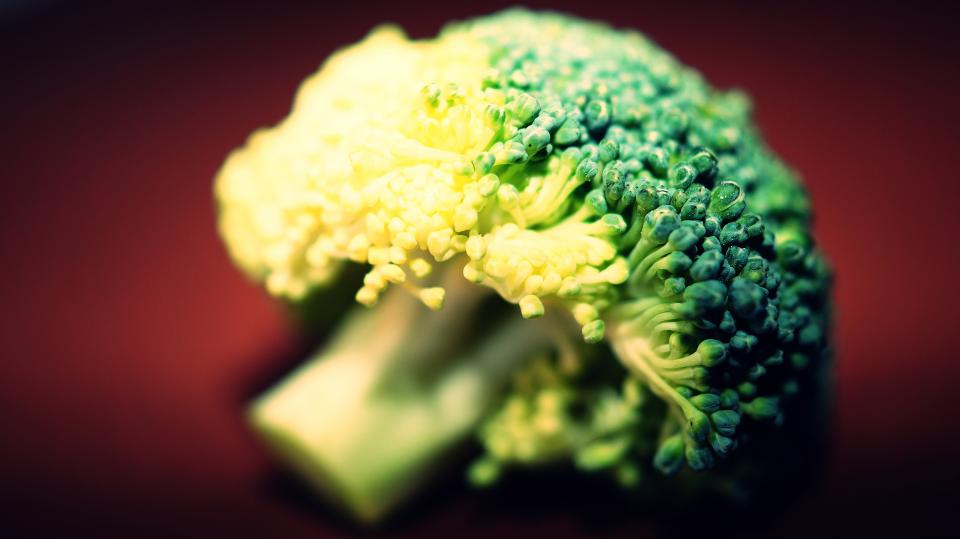
Broccoli sprouts have gone from health-food-store curiosity to a genuine wellness trend, and the reason is a single plant compound: sulforaphane. It’s easy to dismiss this as another superfood fad, but the underlying science on cruciferous vegetables is some of the more consistent evidence in nutrition research. The common mistake people make is boiling broccoli into mush, which destroys much of what makes it valuable in the first place.
This guide breaks down what sulforaphane actually is, what the evidence supports (and doesn’t), which cruciferous vegetables deliver the most, and how to cook and eat them to preserve their benefits.
What Is Sulforaphane, Exactly?
Sulforaphane isn’t present in raw broccoli in a ready-to-use form. Instead, cruciferous vegetables contain a precursor compound called glucoraphanin and an enzyme called myrosinase, stored in separate plant cells. When you chew, chop, or otherwise damage the plant tissue, the two mix and a chemical reaction converts glucoraphanin into sulforaphane.
This is why preparation method matters so much. If myrosinase is destroyed by heat before that reaction happens, far less sulforaphane is formed, even though the plant still contains plenty of the raw materials.
- Broccoli, broccoli sprouts, and Brussels sprouts contain among the highest glucoraphanin levels of common vegetables.
- Broccoli sprouts (3-4 days old) can contain substantially more glucoraphanin by weight than mature broccoli heads.
- Cauliflower, cabbage, kale, and bok choy all belong to the same cruciferous family and contribute related compounds.
What the Evidence Actually Shows
Research consistently shows that cruciferous vegetable intake is associated with favorable health markers, including antioxidant and detoxification enzyme activity in the body. Sulforaphane is one of the most studied plant compounds for its ability to activate the Nrf2 pathway, a cellular defense system that helps regulate the body’s response to oxidative stress.
The Academy of Nutrition and Dietetics highlights cruciferous vegetables as a category worth prioritizing within the broader recommendation to eat a variety of colorful vegetables daily. It’s important to be precise about what’s established versus what’s still being studied: most human sulforaphane research involves modest, short-term markers of oxidative stress and detoxification enzymes rather than long-term disease outcomes, so it’s reasonable to view broccoli sprouts as a smart addition to a healthy diet rather than a treatment for any condition.
- Meta-analyses suggest higher cruciferous vegetable intake correlates with better markers of cardiovascular and metabolic health in observational studies.
- The WHO recommends at least 400g of fruits and vegetables per day as part of a healthy diet, and cruciferous vegetables count fully toward that target.
Which Vegetables Give You the Most
Not all cruciferous vegetables are equal in glucoraphanin content, and not all preparation methods preserve it equally. Broccoli sprouts consistently test as one of the most concentrated sources, which is part of why they’ve become popular as a standalone addition to salads and sandwiches rather than just a side dish.
- Broccoli sprouts — the most concentrated common source; a small handful can meaningfully contribute to intake.
- Broccoli and Brussels sprouts — solid mid-range sources, especially when lightly cooked.
- Cauliflower and cabbage — lower concentration but still contribute, especially raw or fermented (as in sauerkraut).
- Kale and bok choy — moderate contributors, good for variety.
How to Cook Cruciferous Vegetables to Preserve Sulforaphane
Because myrosinase is heat-sensitive, the way you cook broccoli changes how much sulforaphane your body can actually access. Boiling is the biggest offender: it both destroys myrosinase and leaches water-soluble compounds into the cooking water, which usually gets poured down the drain.
Steaming for a short period is a better middle ground, since it heats the vegetable enough to soften it while retaining more enzyme activity than boiling. Raw or lightly cooked preparations preserve the most.
- Chop or chew broccoli first, then let it sit for a few minutes before cooking — this gives the glucoraphanin-myrosinase reaction time to occur before heat can stop it.
- Steam for 3-4 minutes rather than boiling for 10+ minutes.
- Add a source of active myrosinase back in, such as raw mustard seed powder or a handful of raw radish or arugula, if you’re cooking broccoli more thoroughly.
- Eat broccoli sprouts raw whenever possible, tossed into salads, wraps, or smoothies.
How to Apply This: A Simple Weekly Plan
You don’t need to overhaul your diet to benefit from cruciferous vegetables — consistency matters more than any single “perfect” meal.
- Daily: aim for at least one serving of a cruciferous vegetable, following general vegetable-intake guidance from bodies like the WHO.
- 2-3 times per week: include broccoli sprouts specifically, raw, in a sandwich, salad, or alongside eggs.
- Cooking method: default to steaming or light sautéing over boiling.
- Variety: rotate between broccoli, cabbage, kale, and cauliflower rather than relying on just one vegetable.
If you take medication or have a thyroid condition, it’s worth discussing very high intakes of raw cruciferous vegetables with a healthcare provider, since some early research has looked at their interaction with thyroid function at unusually high doses — a caveat worth knowing even though typical dietary amounts are considered safe for most people.
Common Mistakes to Avoid
The most common mistake is overcooking. Boiling broccoli until it’s soft and dull-colored is a near-guarantee that much of its sulforaphane potential has been lost, even if the fiber and some vitamins remain.
- Overcooking or boiling instead of steaming.
- Buying pre-cooked or frozen broccoli and microwaving straight from frozen without a rest period.
- Skipping broccoli sprouts because they seem like a niche health-food item — they’re inexpensive and easy to grow at home.
- Assuming supplements automatically replicate whole-food benefits; whole vegetables also provide fiber and other nutrients supplements don’t.
Do sulforaphane supplements work as well as broccoli sprouts?
Supplement quality and sulforaphane yield vary widely between brands, and there’s no strong consensus that they outperform fresh broccoli sprouts. Whole foods also provide fiber and a broader nutrient profile. If you want a supplement, look for third-party testing and treat it as an addition to, not a replacement for, vegetables.
Is frozen broccoli still worth eating?
Yes. Frozen broccoli is typically blanched before freezing, which reduces but doesn’t eliminate its nutritional value, and it remains a convenient, affordable way to get more vegetables into your diet. Fresh and lightly cooked is simply the higher-yield option for sulforaphane specifically.
How much broccoli should I eat per day?
There’s no official specific target for broccoli alone, but including it as part of the WHO’s general recommendation of at least 400g of fruits and vegetables daily is a reasonable, evidence-aligned goal.
Can I grow broccoli sprouts at home?
Yes, broccoli sprouts are one of the easiest sprouts to grow at home using a mason jar or sprouting tray, typically ready to eat within 3-5 days, which makes them one of the most accessible ways to add sulforaphane-rich food to your diet.
Related reading
Affiliate & medical disclosure: This review is independent and for information only, not medical advice. Some links may be affiliate links; we may earn a commission at no cost to you, which never affects our score. Consult a licensed provider before starting any product.