Frame Size and Bone Structure: Why Bodies Look Different at the Same Weight
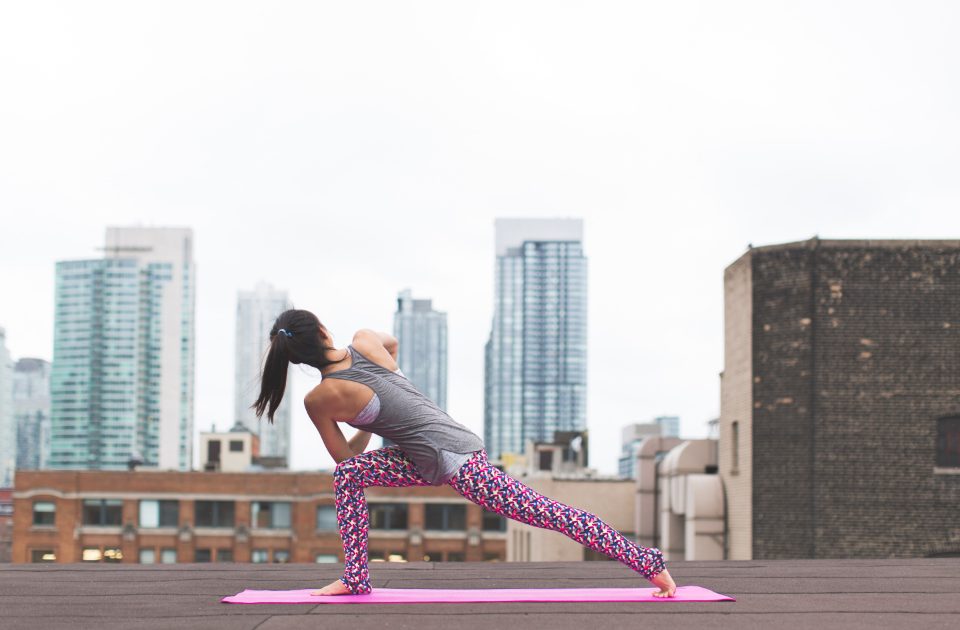
Two people can weigh exactly the same, follow nearly identical training programs, and still look completely different standing side by side. One of the most overlooked reasons is something you can’t change with diet or exercise: skeletal frame size. Wrist circumference, shoulder width, and hip structure all vary naturally between individuals, shaping how muscle and fat distribute across the body regardless of effort in the gym.
This isn’t an excuse to ignore training or nutrition, both still matter enormously, but understanding frame size can help set realistic expectations and reduce the frustration of comparing your body to someone else’s genetically different starting point.
What Determines Frame Size?
Frame size refers to the size and density of your skeletal structure, primarily influenced by genetics. It’s typically estimated using wrist circumference relative to height, though more precise clinical methods use elbow breadth measurements. Frame size is generally categorized as small, medium, or large.
Unlike muscle mass or body fat percentage, frame size is essentially fixed by adulthood. Bone density can be influenced somewhat by weight-bearing exercise and nutrition, but the underlying skeletal architecture, how wide your shoulders and hips naturally sit, does not change with training.
- Wrist circumference is commonly used as a simple frame-size indicator
- Shoulder width relative to hip width creates the visual “V-taper” or straighter silhouette
- Genetics account for the majority of variation in skeletal proportions
Why Frame Size Affects How Muscle Looks
A person with a naturally wider clavicle and rib cage will often appear more muscular at a given muscle mass than someone with a narrower frame, simply because muscle has more surface area to display across a broader structure. This is one reason two lifters with similar strength levels and similar body fat can look noticeably different.
Hip structure plays a similar role for lower-body appearance. Wider-set hips can make quads and glutes appear fuller, while a narrower pelvis creates a different visual line regardless of the muscle built underneath.
- Broader shoulders visually amplify upper-body muscle development
- Narrower waists relative to shoulders and hips accentuate an hourglass or V-shape
- Joint size affects how defined muscle insertions appear, independent of actual strength
Frame Size vs Body Composition: Different Things
It’s easy to conflate frame size with body fat percentage or overall body composition, but they’re separate variables. A large-framed person can carry low body fat and appear lean, or carry higher body fat and appear larger; the same is true for small-framed individuals. Research consistently shows that body composition, not frame size, is the more meaningful indicator of metabolic health.
This distinction matters because standard height-weight charts, including older BMI-based categorizations, don’t account for frame size or muscle mass, which is part of why the CDC and NIH both note that BMI should be interpreted alongside other health markers rather than as a standalone diagnostic.
- BMI does not distinguish between muscle, fat, and skeletal frame
- Two people with identical BMI can have very different body compositions
- Waist circumference and other measurements often provide more actionable health information than weight alone
Setting Realistic Expectations
Fitness media often showcases a narrow range of body shapes, which can create unrealistic benchmarks for people with different underlying frames. A narrow-framed person chasing the exact proportions of a broad-framed fitness influencer is working against genetics that no amount of training will fully override.
This doesn’t mean training is pointless, quite the opposite. Everyone can meaningfully improve their strength, muscle definition, and body composition within their own frame. The goal is comparing your progress to your own starting point rather than to someone with a fundamentally different skeletal structure.
- Focus on personal strength and composition progress over time
- Use progress photos and measurements rather than comparing to others
- Recognize that some aesthetic differences are structural, not effort-based
How to Apply This: Training With Your Frame
Rather than fighting your frame, training can be adjusted to work with it. This isn’t about limiting goals, it’s about setting expectations that match your actual anatomy.
- Get an honest read on your frame using wrist circumference relative to height as a rough guide, understanding it’s approximate, not diagnostic
- Prioritize compound strength training consistently; muscle built on any frame improves function and appearance over time
- Track strength gains, measurements, and how clothes fit rather than relying solely on the scale or visual comparisons to others
- If aesthetic goals are important to you, focus on the muscle groups and proportions most within your control, like shoulder or glute development, rather than trying to alter fundamentally fixed structures like hip width or clavicle length
- Maintain adequate protein intake, generally in the range of 1.2 to 2.0 grams per kilogram of body weight for active adults, to support whatever muscle-building potential your frame allows
When Body Image Concerns Need More Support
For some people, awareness of frame differences can tip into persistent dissatisfaction or disordered patterns around exercise and eating. If comparing your body to others is causing significant distress or driving unhealthy behaviors, speaking with a healthcare provider or mental health professional is a reasonable and worthwhile step.
Body image is shaped by far more than frame size alone, and support is available when the gap between expectation and reality becomes a source of ongoing distress rather than simple information.
Can you change your bone structure with exercise?
No, not the overall skeletal architecture like shoulder or hip width. Weight-bearing exercise can improve bone density and strength, which matters for long-term skeletal health, but it does not alter the size or proportions of your frame.
Is frame size the same as being “big-boned”?
Informally, yes, “big-boned” is a common way people describe a larger skeletal frame. It’s a real, measurable variation in skeletal size, though it explains only part of overall body size and shape.
Does frame size affect how much muscle you can build?
It can influence the visual outcome and, to a lesser degree, leverage for certain lifts, but frame size does not meaningfully limit the amount of muscle you’re capable of building relative to your genetics for muscle growth specifically. These are related but distinct genetic factors.
How can I estimate my own frame size?
A simple method involves measuring wrist circumference and comparing it to height using published reference ranges, though this is only a rough approximation. A healthcare provider or trainer can offer a more precise assessment if needed.
Related reading
Affiliate & medical disclosure: This review is independent and for information only, not medical advice. Some links may be affiliate links; we may earn a commission at no cost to you, which never affects our score. Consult a licensed provider before starting any product.