Understanding Body Fat Percentage: What the Numbers Actually Mean
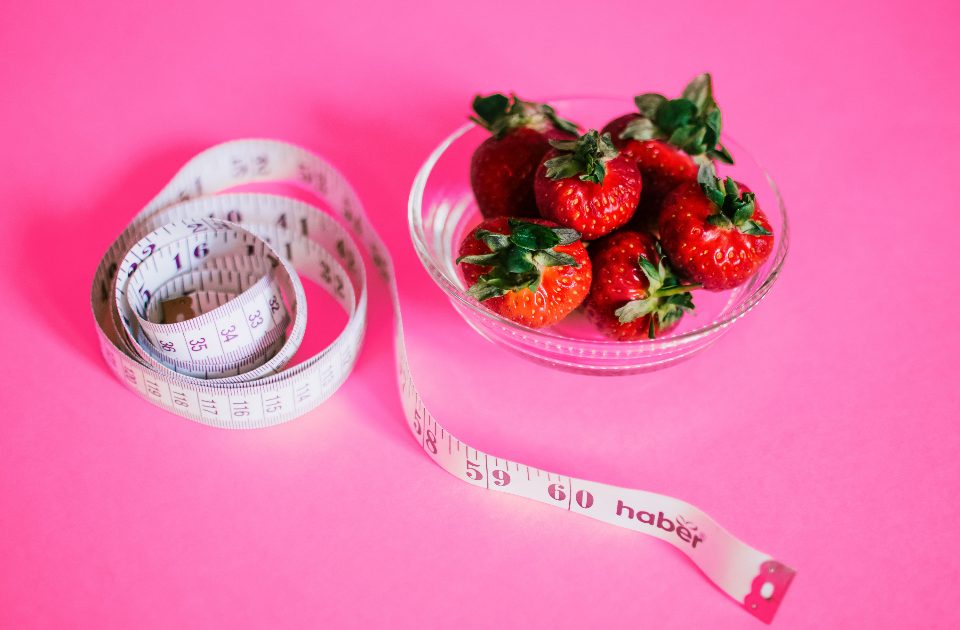
Step on a “smart” bathroom scale and it might spit out a body fat percentage down to a decimal point, giving the impression of lab-grade precision. In reality, that number could be off by several percentage points depending on your hydration, what you ate, and even the time of day — a common source of confusion for anyone tracking body composition.
Body fat percentage is a genuinely useful metric for understanding health and fitness beyond what the scale alone shows, but only if you understand what it measures, how it’s estimated, and how much error to expect from the tool you’re using. Here’s a practical guide to making sense of the numbers.
What Body Fat Percentage Actually Measures
Body fat percentage is the proportion of your total body weight that comes from fat tissue, as opposed to muscle, bone, organs, and water. Two people at the same height and weight can have very different body fat percentages depending on their muscle mass, which is why weight alone is a limited health indicator.
Essential fat — the minimum needed for normal physiological function — is generally estimated at around 10-13% for women and 2-5% for men, reflecting biological differences including reproductive fat storage. Beyond that baseline, “healthy” ranges vary by age, sex, and activity level, and are typically presented as broad ranges rather than single ideal numbers.
How Body Fat Is Actually Measured
No home method is perfectly accurate, and even clinical methods carry some margin of error. Understanding the trade-offs helps you interpret your own numbers realistically.
- Bioelectrical impedance (smart scales, handheld devices): convenient but sensitive to hydration status, recent meals, and exercise — can swing several percentage points day to day
- Skinfold calipers: inexpensive and reasonably consistent when done by a trained person on the same sites each time, but technique-dependent
- DEXA scans: considered a more precise clinical standard, measuring bone, fat, and lean tissue separately, though not typically available outside medical or research settings
- Waist circumference: a simple low-cost proxy that correlates with visceral fat and cardiovascular risk, often used alongside other measures
Why the Number Fluctuates So Much
If your smart scale shows a 2-3% swing in a single week, it’s rarely a real change in body fat — actual fat loss or gain happens slowly. Bioelectrical impedance devices estimate fat based on how electrical current moves through your body, and that signal is heavily influenced by water content.
Dehydration, a high-sodium meal, recent exercise, and even the time of day can all shift the reading without any real change in body composition. For more meaningful tracking, it’s better to look at the trend over several weeks using consistent conditions (same time of day, similar hydration) rather than reacting to any single measurement.
Why Body Fat Percentage Matters More Than Weight Alone
Research consistently shows that body composition — not just total weight — is more closely linked to metabolic health markers like insulin sensitivity and cardiovascular risk. Two people with identical BMI can have meaningfully different health profiles if one carries more muscle and the other more fat, particularly visceral fat around the abdominal organs.
This is part of why the CDC and other health organizations increasingly emphasize waist circumference and body composition alongside BMI, rather than relying on BMI in isolation. A waist circumference above roughly 40 inches for men or 35 inches for women is commonly used as a general marker of increased health risk, though individual context matters.
Common Mistakes When Interpreting the Numbers
One frequent error is comparing your body fat percentage to a friend’s or an online chart without accounting for age, sex, and training history — ranges that are appropriate for a 25-year-old athlete don’t necessarily apply the same way to a 55-year-old beginner, and vice versa. Another common mistake is testing at inconsistent times, such as first thing in the morning one week and after a workout the next, which introduces hydration-driven noise that has nothing to do with actual fat loss.
It’s also easy to overreact to a single bad reading. If a scale suddenly shows a 4% jump overnight, that’s almost certainly a measurement artifact from water retention, sodium intake, or device error rather than genuine fat gain — the body simply doesn’t change composition that quickly.
How to Apply This: Tracking Body Composition Sensibly
If you want to track body fat percentage as part of a fitness goal, consistency in method matters more than chasing precision.
- Pick one measurement method and stick with it — comparing a caliper reading to a smart scale reading isn’t meaningful
- Measure under consistent conditions: same time of day, similar hydration, before eating
- Track trends over 4-8 week windows rather than day-to-day changes
- Pair body fat tracking with performance markers (strength gains, energy levels, how clothes fit) rather than relying on one number alone
A Healthier Mindset Around the Number
Body fat percentage is a tool, not a verdict on health or worth. Focusing exclusively on hitting a specific number can encourage unsustainable behaviors, especially in people prone to disordered eating patterns. The Academy of Nutrition and Dietetics emphasizes sustainable, balanced approaches to body composition change over restrictive short-term fixes, and general fitness progress (strength, endurance, energy, sleep quality) is often a more useful day-to-day signal than the percentage itself.
What’s considered a “healthy” body fat percentage?
Commonly cited healthy ranges are roughly 21-33% for women and 8-24% for men, though these vary with age and the source, and athletic populations often sit below these ranges without any health concern.
Are smart scales accurate enough to trust?
They’re useful for tracking general trends over time under consistent conditions, but shouldn’t be treated as precise — day-to-day swings of a few percentage points are normal measurement noise, not real change.
Can you lose body fat without losing weight?
Yes — this is common when building muscle while losing fat simultaneously (body recomposition), which is why body composition tracking can be more informative than the scale alone during a training program.
Is a DEXA scan worth getting?
For most people pursuing general fitness, it’s not necessary, but it can be a useful occasional check-in for those who want a more precise baseline or are tracking composition changes closely under a coach or clinician’s guidance.
Related reading
Affiliate & medical disclosure: This review is independent and for information only, not medical advice. Some links may be affiliate links; we may earn a commission at no cost to you, which never affects our score. Consult a licensed provider before starting any product.