GLP-1 and Alcohol: What Actually Happens When You Mix Them
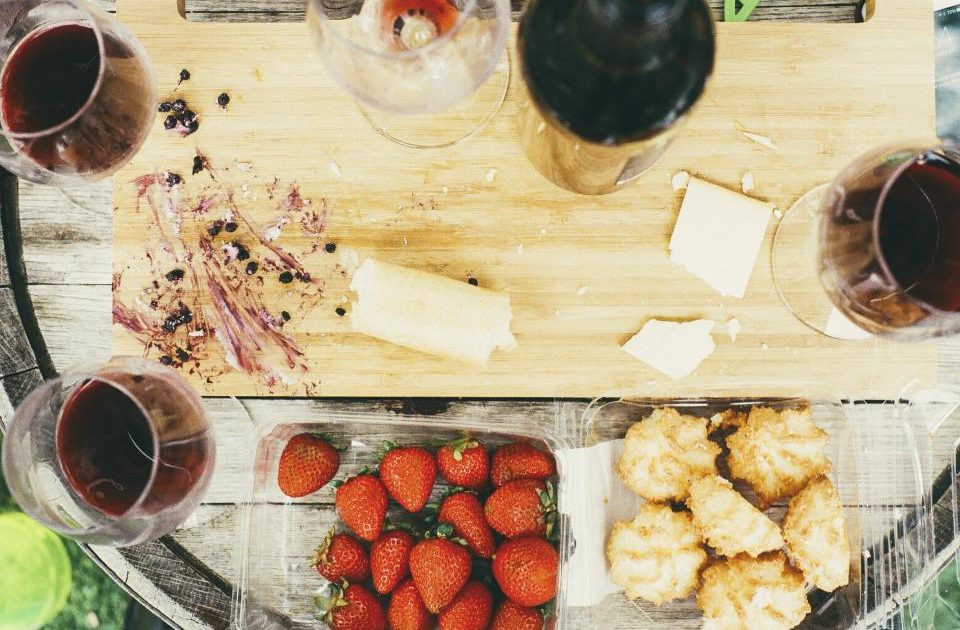
You started a GLP-1 medication, the weight is finally moving, and now there’s a wedding, a work dinner, or just a Friday night in front of you. Nobody handed you a rulebook for the drink question. Your prescriber probably said “moderation” and moved on, which tells you almost nothing about what actually happens in your body when semaglutide or tirzepatide meets a glass of wine.
Here’s the practical truth: alcohol isn’t strictly forbidden on GLP-1 medications, but the interaction is real, and it runs in more directions than most people expect. Some effects work against you. One, surprisingly, may work for you. Let’s walk through all of it so you can make a decision with actual numbers instead of vibes.
First, the baseline: what alcohol costs you calorically
Before we even get to drug interactions, remember why alcohol and weight loss have always been an awkward pair. Alcohol delivers about 7 calories per gram — nearly double the 4 calories per gram in carbs and protein. The National Institute on Alcohol Abuse and Alcoholism (NIAAA) defines a standard drink as roughly 14 grams of pure alcohol: a 12-ounce regular beer, a 5-ounce glass of wine, or 1.5 ounces of spirits. That’s about 100 to 150 calories per drink before mixers, with essentially zero nutrition attached.
On a GLP-1, you’re likely eating 1,200 to 1,600 calories a day because your appetite has shrunk. Two cocktails can quietly consume 25 percent of that budget, and your body pauses fat oxidation while it clears the alcohol. You don’t need to be a purist — but count drinks as the dessert-sized indulgence they are.
Slower stomach, unpredictable buzz
GLP-1 receptor agonists slow gastric emptying — that’s part of how they blunt appetite. It also changes how alcohol hits you. When your stomach empties slowly, alcohol may sit longer before reaching the small intestine, where most absorption happens. Many users report that drinks hit differently: sometimes delayed, sometimes weaker, sometimes suddenly stronger once the stomach finally releases its contents.
The practical problem is unpredictability: your old two-beer calibration is now unreliable, so pace yourself as if every drink might land late. And because you’re eating less food overall, drinking on a near-empty stomach becomes the default — a recipe for getting drunker than intended on fewer drinks.
The hypoglycemia risk is real, especially with other diabetes drugs
This is the interaction your prescriber worries about most. Alcohol suppresses gluconeogenesis — your liver’s ability to manufacture new glucose. GLP-1 medications lower blood sugar by boosting insulin response and reducing glucagon. Stack the two, add a day of light eating, and blood sugar can drop further than you’d like.
For people taking a GLP-1 alone for weight loss, the risk of true hypoglycemia is low — the drugs’ insulin effect is glucose-dependent, meaning it eases off as blood sugar falls. But the FDA prescribing information for semaglutide and tirzepatide flags meaningfully higher hypoglycemia risk when these drugs are combined with insulin or sulfonylureas. If you take any of those, alcohol adds a third downward force on blood sugar, and symptoms of a low — shakiness, confusion, slurred words — look exactly like being drunk, so bystanders won’t recognize the emergency. Eat something with carbohydrate when you drink, and never skip meals to “bank” calories for alcohol.
Nausea, dehydration, and the morning after
In the STEP trials of semaglutide 2.4 mg, roughly 44 percent of participants reported nausea and about 30 percent reported diarrhea at some point — the most common side effects by a wide margin. Alcohol is independently a gastric irritant and a diuretic. Combine the two and you can turn a manageable queasy day into a genuinely rough one.
Dehydration deserves particular respect. GLP-1 users already under-drink fluids because thirst cues dim along with hunger cues, and the rare-but-serious kidney injury cases reported with semaglutide have typically involved severe dehydration from vomiting and diarrhea. If your medication is already making you nauseated that week — say, right after a dose increase — that is the week to skip alcohol entirely.
The twist: GLP-1s may reduce the urge to drink
Here’s the finding that has addiction researchers genuinely excited. Many GLP-1 users spontaneously report that alcohol simply lost its appeal — the second drink stops calling to them. This isn’t just anecdote anymore. A randomized phase 2 trial published in JAMA Psychiatry in 2025, involving 48 adults with alcohol use disorder, found that low-dose semaglutide reduced drinks consumed per drinking day and curbed alcohol craving compared with placebo over nine weeks.
The proposed mechanism: GLP-1 receptors influence the brain’s reward circuitry, dialing down the dopamine response to alcohol much as they mute the reward of food. Larger trials are underway, and no GLP-1 is approved for treating alcohol use disorder. But if your usual pour has been sitting unfinished, that’s a documented effect — and for weight loss, a gift.
Your practical drinking checklist on GLP-1s
If you choose to drink, run through this list every time:
- Cap it at NIAAA moderate limits or below: no more than one standard drink per day for women, two for men — and on a GLP-1, treat those as ceilings, not targets.
- Never drink on an empty stomach. Eat a protein-and-carb snack first, even if you’re not hungry — 150 calories of Greek yogurt or half a sandwich buffers absorption and blood sugar.
- Alternate every alcoholic drink with a full glass of water. You’re fighting two diuretic effects at once.
- Skip alcohol during dose-escalation weeks. Side effects peak in the days after an increase; don’t stack insults.
- Count the calories honestly: log every drink at 100–150 calories minimum, mixers included.
- If you take insulin or a sulfonylurea, talk to your prescriber first and check glucose before bed after drinking.
- Arrange a ride and tell a friend — your tolerance is now unpredictable, and hypoglycemia can mimic drunkenness.
The bottom line
Alcohol on a GLP-1 is a manageable risk for most people, not a forbidden one — but the rules changed. Your tolerance is less predictable, your stomach more sensitive, your hydration margin thinner, and every drink takes a bigger bite out of a smaller calorie budget. These are prescription medications with real interactions: your prescriber knows your full history, and their guidance beats any article, including this one. If drinking has felt less appealing lately, don’t fight it.
Can I drink alcohol the same day as my injection?
There’s no direct timing interaction between the injection itself and alcohol — these drugs reach steady levels in your blood over weeks, so “injection day” isn’t pharmacologically special. That said, some people feel more nausea in the 24–48 hours after injecting, and alcohol will amplify that. If you notice a post-shot queasy window, schedule drinks away from it.
Will one glass of wine stop my weight loss?
No. A single 5-ounce glass is about 120 calories, and one drink occasionally will not erase a weekly deficit of 3,500-plus calories. The damage comes from frequency and quantity — nightly drinks, sugary cocktails at 300-plus calories each, and the disinhibited snacking that follows drink number three. Keep it occasional and counted, and wine and weight loss can coexist.
Why do I get drunk faster on semaglutide?
Two likely reasons: you’re eating far less food, so there’s little in your stomach to slow alcohol absorption, and delayed gastric emptying makes the release of alcohol into your intestine erratic — sometimes a delayed surge hits all at once. Assume your old tolerance no longer applies and pace accordingly.
Does alcohol make GLP-1 medications less effective?
Alcohol doesn’t chemically deactivate the drug, and no interaction reduces its receptor activity. The effectiveness cost is indirect: extra calories, paused fat oxidation while your liver clears the alcohol, worse sleep, and next-day food choices. Heavy drinking can absolutely stall your results — the medication keeps working, but you’re working against it.
Related reading
Affiliate & medical disclosure: This review is independent and for information only, not medical advice. Some links may be affiliate links; we may earn a commission at no cost to you, which never affects our score. Consult a licensed provider before starting any product.