How to Deadlift With Proper Form: A Step-by-Step Guide for Beginners
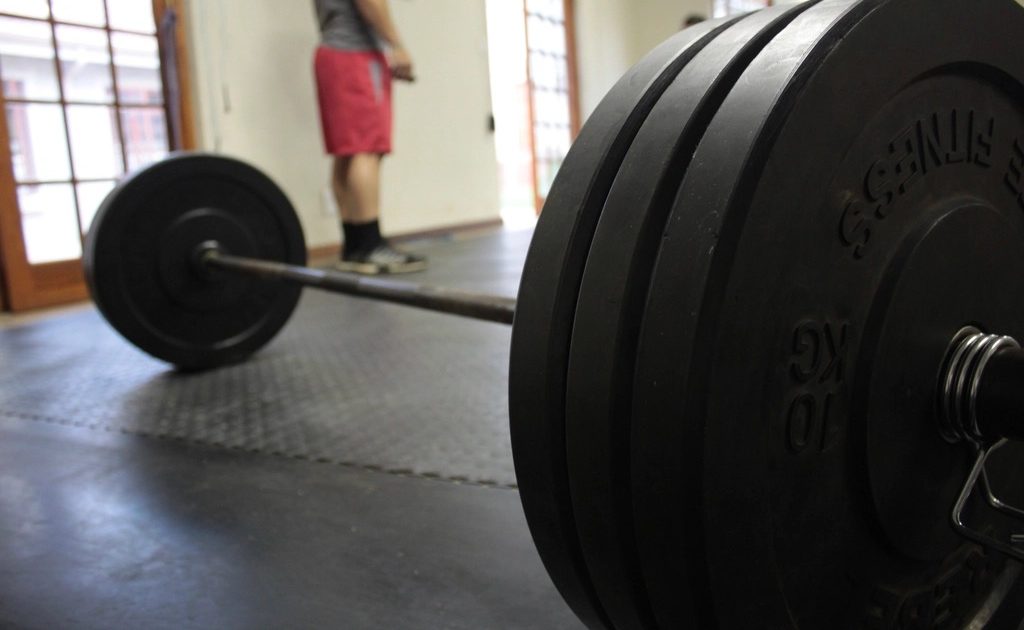
The deadlift is often called the ultimate test of full-body strength, but it’s also one of the most intimidating exercises for beginners to approach, partly because of horror stories about back injuries. The truth is that a properly performed deadlift is one of the safer compound lifts — most injuries come from poor form or ego-driven weight selection, not the movement itself.
A frequent mistake beginners make is rounding the lower back to compensate for weak hip mobility or an unfamiliar movement pattern. Fixing this single issue prevents the majority of deadlift-related strain and sets the foundation for safe, effective progress.
Why the Deadlift Matters
The deadlift trains the posterior chain — the glutes, hamstrings, and lower back — in a way few other exercises replicate, and it closely mirrors a real-world movement: picking something up off the ground. Building strength in this pattern can support everyday function, particularly as people age and grip and hip strength become more closely linked to fall risk and independence.
Because it recruits so many muscle groups at once, the deadlift is also efficient for building overall strength, which aligns with general strength-training guidance from organizations like the WHO, which recommends muscle-strengthening activities involving major muscle groups at least twice a week.
Setting Up the Lift
Correct setup happens before the bar ever leaves the floor, and rushing this step is where many form breakdowns begin.
- Foot position: Stand with feet hip-width apart, with the bar positioned over the middle of your feet, roughly an inch from your shins.
- Grip: Bend at the hips and knees to grip the bar just outside your legs, keeping your arms straight.
- Back position: Flatten your back by pulling your chest up and slightly forward, engaging your core as if bracing for a light punch to the stomach.
- Hips: Set your hips at a height between your shoulders and knees — not too low (which turns it into a squat) and not too high (which shifts strain to the lower back).
Executing the Lift
Drive through your heels and mid-foot, pushing the floor away rather than trying to “pull” the bar up with your back. Keep the bar close to your body throughout the lift, ideally maintaining light contact with your shins and thighs as it travels.
At the top, stand fully upright with hips and knees extended, avoiding excessive backward leaning. Lower the bar by hinging at the hips first, letting it travel back down the same path it came up, maintaining a flat back the entire time.
Common Mistakes and Fixes
Rounding the back under load is the most common and highest-risk error. If you notice your lower back rounding before the bar leaves the floor, the weight is likely too heavy for your current form, and reducing the load is the appropriate fix rather than pushing through.
Another frequent issue is letting the bar drift away from the body, which increases leverage against the lower back significantly. Practicing with lighter weight, or even a broomstick, until the bar path feels controlled and close to the body can help correct this before adding significant load.
Deadlift Variations Worth Knowing
The conventional deadlift isn’t the only option, and some variations may suit certain bodies or goals better. The Romanian deadlift emphasizes the hamstrings and glutes with less knee bend and a shorter range of motion, making it a common accessory movement even for people who also perform conventional deadlifts. The trap bar (hex bar) deadlift places the body inside the weight rather than in front of it, which many coaches consider a friendlier entry point for beginners due to its more upright torso position.
Sumo-stance deadlifts, performed with a wider foot stance, can reduce the range of motion and shift more emphasis to the hips and inner thighs, which some lifters find more comfortable based on their individual hip structure. Trying a few variations under guidance can help identify which pattern feels most stable and pain-free for your particular build.
Why Grip and Core Strength Matter Here
The deadlift also happens to be one of the most effective exercises for building grip strength, since holding onto a heavy bar for multiple reps and sets provides a substantial forearm and hand-strength stimulus without any dedicated grip work. Grip strength itself has been studied as a general marker of overall health and functional capacity, particularly in older adults.
Core strength plays a similarly important supporting role. Bracing the core throughout the lift isn’t just about protecting the lower back during the deadlift itself — it reinforces a bracing pattern that carries over to other lifts and everyday activities that involve lifting or carrying, like picking up a child or moving furniture.
How to Apply This: A Beginner Progression Plan
Rather than jumping straight to a loaded barbell, consider this progression:
- Weeks 1-2: Practice the hip-hinge pattern with just a broomstick or light dumbbell, focusing entirely on form.
- Weeks 3-4: Progress to a light barbell (many gyms have a training bar) or a kettlebell deadlift, performing 3 sets of 8-10 reps.
- Weeks 5-8: Gradually add weight in small increments only once each previous weight feels fully controlled with good form.
- Ongoing: Train the deadlift once or twice a week, allowing at least 48 hours of recovery between heavy sessions.
If you have a history of back pain or any spinal condition, consult a physical therapist or physician before starting a deadlift program, and consider working with a certified trainer for your first several sessions.
Is deadlifting bad for your back?
Not when performed with correct form and appropriate weight. Most back injuries associated with deadlifting stem from poor technique or lifting too heavy too soon, not the exercise itself.
How often should beginners deadlift?
Once or twice a week is generally sufficient for beginners, allowing adequate recovery time between sessions given how taxing the movement is on the whole body.
Should I wear a weightlifting belt as a beginner?
Most beginners don’t need one until they’re lifting heavier weights relative to their bodyweight. Learning to brace your core naturally first is generally more valuable early on.
What’s a good starting weight for a deadlift?
This varies widely by individual, but starting with just the empty barbell (often 45 lbs/20 kg) or a lighter trap bar is a common and sensible starting point to nail form before adding weight.
Related reading
- Visceral Fat vs Subcutaneous Fat: Why Location Matters More Than the Number on the Scale
- Posture and Desk Work: Practical Fixes for Forward Head and Rounded Shoulders
- Water Retention and Bloating Around Your Period: What’s Normal
- Menstrual Cycle Phases and Training: Adjusting Your Workouts to Your Cycle
Affiliate & medical disclosure: This review is independent and for information only, not medical advice. Some links may be affiliate links; we may earn a commission at no cost to you, which never affects our score. Consult a licensed provider before starting any product.