Kettlebell Training for Beginners: A Full-Body Workout Guide
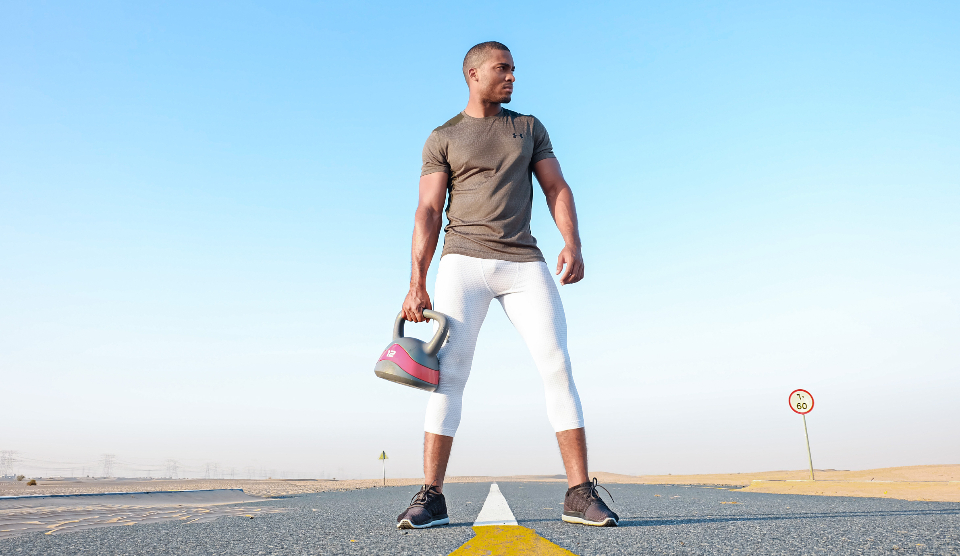
A single kettlebell can replace an entire corner of gym equipment, yet most beginners either avoid it out of intimidation or use it incorrectly and never feel the benefits. If you’ve watched someone swing a kettlebell and assumed it looked complicated, you’re not wrong that form matters — but the basics are more approachable than they look.
The most common mistake newcomers make is treating the kettlebell swing like a squat with an arm raise, using the arms to lift the weight instead of driving power from the hips. Getting this one movement pattern right unlocks most of what makes kettlebell training effective.
Why Kettlebells Work
Kettlebell training combines strength and cardiovascular conditioning in a single tool, largely because of the ballistic, hip-hinge-driven movements like swings and cleans. This is part of why the World Health Organization’s guidance to combine both aerobic activity and muscle-strengthening activities each week can realistically be met through kettlebell workouts alone.
Because the weight moves through space rather than staying fixed like a dumbbell curl, kettlebell exercises also demand core stability and coordination, which can carry over to everyday movements like lifting groceries or catching your balance.
The Core Movements to Learn First
Rather than trying every kettlebell exercise you see online, beginners get the most value from mastering a small set of foundational moves before adding complexity.
- The kettlebell swing: A hip-hinge movement where the kettlebell swings from between the legs to shoulder height, powered by the glutes and hamstrings, not the arms or lower back.
- The goblet squat: Holding the kettlebell close to the chest while squatting, which helps beginners maintain an upright torso and learn proper squat depth.
- The Turkish get-up: A slow, multi-step movement from lying down to standing while holding the kettlebell overhead, excellent for shoulder stability and total-body coordination.
- The kettlebell deadlift: A simplified way to learn hip-hinge mechanics before progressing to swings.
How Much and How Often
The American College of Sports Medicine and general strength-training consensus suggest allowing at least 48 hours between sessions targeting the same muscle groups, which fits well with a kettlebell routine done two to three times per week for beginners. The WHO also recommends muscle-strengthening activities involving major muscle groups on two or more days a week, a target that a well-structured kettlebell routine can satisfy.
Starting weight matters more than most beginners expect. Many women start with an 8-12 kg (18-26 lb) kettlebell and many men start with 12-16 kg (26-35 lb) for swings, but the right starting point depends on individual strength and prior training experience — it’s better to start lighter and build confidence in form first.
Common Form Mistakes
Rounding the lower back during swings or squats is one of the most frequent and riskiest errors, often caused by trying to lift too much weight before the hip-hinge pattern is solid. Keeping a neutral spine and initiating movement from the hips rather than the lower back reduces this risk significantly.
Another common mistake is using the arms to “lift” the kettlebell during a swing instead of letting hip drive project it forward. If your shoulders feel more fatigued than your glutes and hamstrings after a swing session, that’s usually a sign the movement pattern needs adjustment, ideally with guidance from a qualified trainer.
Progressing Beyond the Basics
Once the goblet squat, deadlift, and swing feel controlled and comfortable, kettlebell training offers plenty of room to grow. Moves like the kettlebell clean, single-arm swing, and Turkish get-up add coordination and asymmetric loading challenges that a basic two-handed swing doesn’t, helping address the small strength imbalances between sides of the body that most people naturally develop.
Increasing weight should generally follow the same principle used in any strength discipline: only add load once the current weight can be performed for the full prescribed reps with clean, controlled technique. Jumping to a heavier kettlebell before that point is one of the fastest ways to reintroduce the exact form breakdowns beginners are trying to avoid.
Pairing Kettlebells With Cardiovascular Health
Because kettlebell circuits often keep heart rate elevated through continuous, compound movement, many people use them as a time-efficient way to combine strength and cardio training in a single session. This can be especially appealing for people with limited time, since the WHO’s recommendation of at least 150 minutes of moderate-intensity aerobic activity per week can be partially supported by well-structured kettlebell circuits alongside dedicated cardio sessions.
That said, kettlebell training shouldn’t be viewed as a complete substitute for other forms of cardiovascular exercise like brisk walking, cycling, or swimming. A well-rounded routine that includes both dedicated strength work and separate aerobic activity generally provides more comprehensive health benefits than relying on any single training modality alone.
How to Apply This: A Beginner Routine
Try this simple three-day-a-week starting routine, resting at least one day between sessions:
- Warm-up: 5 minutes of light cardio plus hip and shoulder mobility drills.
- Goblet squats: 3 sets of 8-10 reps.
- Kettlebell deadlifts: 3 sets of 10 reps, focusing on hip-hinge form.
- Kettlebell swings: 3 sets of 12-15 reps once the hinge pattern feels solid.
- Cool-down: Light stretching for the hips, hamstrings, and shoulders.
If you’re new to strength training or have any back or joint concerns, consider a session or two with a certified trainer to check your form before training independently, and consult a healthcare provider if you have any existing injuries.
Is kettlebell training better than dumbbells?
Neither is universally “better” — they train movement patterns somewhat differently. Kettlebells excel at ballistic, hip-driven movements, while dumbbells are often easier for isolated, controlled lifts. Many balanced programs use both.
How heavy a kettlebell should a beginner buy?
A common starting recommendation is 8-12 kg for women and 12-16 kg for men, though true beginners with no strength-training background may want to start even lighter to nail form first.
Can kettlebell training help with weight loss?
It can contribute to weight management by combining strength work with elevated heart rate, which supports overall calorie expenditure, but weight loss ultimately depends on overall diet and activity patterns, not one workout style alone.
Is kettlebell training safe for beginners?
Yes, when the fundamentals are learned correctly and weight is increased gradually. Because ballistic movements carry more injury risk if form breaks down, beginners benefit especially from starting light and, ideally, getting initial coaching.
Related reading
- How Fast Can You Actually Build Muscle? Realistic Timelines for Natural Lifters
- Why No Two Physiques Are the Same: Muscle Insertions, Genetics, and Realistic Expectations
- Visceral Fat vs Subcutaneous Fat: Why Location Matters More Than the Number on the Scale
- Eccentric Training: How Slowing Down Builds More Strength
Affiliate & medical disclosure: This review is independent and for information only, not medical advice. Some links may be affiliate links; we may earn a commission at no cost to you, which never affects our score. Consult a licensed provider before starting any product.