Turmeric and Curcumin: What the Evidence Actually Says About Inflammation
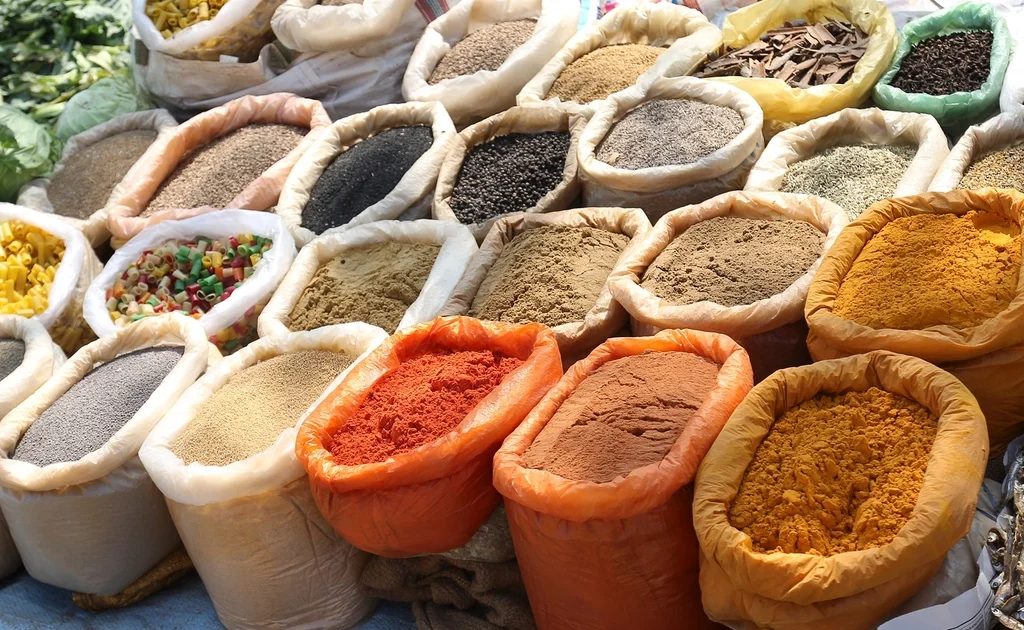
Turmeric has gone from a spice tin staple to a supplement-aisle superstar, with curcumin — the compound responsible for its golden color — marketed as a natural answer to everything from joint pain to brain fog. But there’s a gap between the marketing claims and what the research actually supports, and one detail rarely makes it onto the label: turmeric root is only about 3% curcumin by weight, according to the NIH’s National Center for Complementary and Integrative Health (NCCIH). That single fact explains why a curry-heavy diet and a curcumin capsule are two very different exposures.
A common mistake is assuming “natural” automatically means “harmless in any dose” or that culinary turmeric delivers the same effect as concentrated extracts studied in trials. Understanding the difference — and where the evidence is genuinely solid versus still preliminary — helps you decide whether turmeric deserves a place in your routine, and in what form.
What Curcumin Actually Does in the Body
Curcumin is a polyphenol, part of the same broad family of plant compounds found in berries, tea, and coffee. Laboratory and animal studies show it can interfere with several inflammatory signaling pathways, which is the biological basis for its reputation as an anti-inflammatory agent. Research consistently shows curcumin has antioxidant properties as well, helping neutralize free radicals in cell studies.
The catch is translating those laboratory findings into real-world human benefit. Curcumin is poorly absorbed on its own — it’s broken down quickly by the liver and gut — which is why the NCCIH notes that blood levels after eating turmeric-spiced food are typically very low. This absorption problem is central to interpreting any curcumin study.
Where the Evidence Is Strongest
The most consistent human evidence for curcumin sits in a few specific areas:
- Osteoarthritis joint pain: Several clinical trials using standardized curcumin extracts (typically 500–1,500 mg per day) have found modest reductions in knee pain and stiffness, with effects that some trials describe as comparable to low-dose NSAIDs over short study periods.
- Mild inflammatory markers: Meta-analyses suggest curcumin supplementation can modestly lower inflammatory markers like C-reactive protein in some populations, though effect sizes vary widely between studies.
- Digestive comfort: Some research points to benefit for mild dyspepsia symptoms, though study quality here is more limited.
Where evidence is weaker or still preliminary: claims about curcumin preventing cancer, reversing cognitive decline, or acting as a standalone treatment for depression. These areas have interesting early signals but nowhere near the consistency needed for a firm recommendation, and the NCCIH is explicit that there isn’t enough high-quality evidence to support many of the more sweeping claims sold online.
Absorption: The Problem Every Curcumin Product Tries to Solve
Because raw curcumin is so poorly absorbed, most reputable supplements pair it with an absorption enhancer. The most common is piperine, an extract from black pepper, which research suggests can meaningfully increase how much curcumin reaches the bloodstream. Other formulations use phospholipid complexes (sometimes labeled “phytosome”) or nanoparticle delivery systems, which manufacturer-funded studies claim improve bioavailability, though independent, head-to-head comparisons are limited.
If you’re evaluating a supplement, look for one of these delivery approaches rather than plain turmeric root powder in a capsule, which is the least bioavailable form. That said, plain turmeric used generously in cooking is not something to avoid — it’s simply not equivalent to a clinical trial dose.
Safety, Dosing, and Who Should Be Cautious
For most healthy adults, culinary turmeric is very safe, and standardized curcumin supplements at studied doses (roughly 500–2,000 mg curcumin extract per day, often split into two doses) are generally well tolerated in short-term trials. Mild digestive upset is the most commonly reported side effect.
Certain groups should be more cautious, and this is a good place to loop in a healthcare provider before starting supplementation:
- People on blood thinners (curcumin may have mild anti-platelet effects)
- Those with gallbladder disease or bile duct obstruction, since curcumin stimulates bile production
- Anyone scheduled for surgery, due to potential bleeding-risk interactions
- Pregnant or breastfeeding individuals, where high-dose supplement safety data is limited
Individual response also varies — some people report noticeable joint comfort within weeks, while others notice nothing. That variability is normal and expected with a compound whose effects are, at best, modest rather than dramatic.
How to Add Turmeric to Your Routine
Whether you’re using it as a spice or considering a supplement, a simple, practical approach works best:
- Start with food. Add turmeric generously to soups, roasted vegetables, rice, or scrambled eggs, and pair it with a source of fat and a pinch of black pepper to aid absorption.
- If considering a supplement, choose one with a piperine or phytosome-based formulation and a clearly labeled curcumin content (not just “turmeric root powder”).
- Start low. Try a lower end dose (around 500 mg curcumin extract) for 2–4 weeks before deciding whether to continue or increase.
- Track something specific. Rather than vague “do I feel better,” track a concrete marker like joint stiffness on waking or pain during a specific activity.
- Check with your doctor if you take medication regularly, especially blood thinners, or have a chronic condition.
Turmeric isn’t a miracle cure, but it’s also not snake oil — it sits in a reasonable middle ground of a generally safe spice with modest, evidence-supported benefits for specific issues like joint discomfort, when used thoughtfully and with realistic expectations.
Does turmeric tea have the same benefits as supplements?
Turmeric tea contains far less curcumin than a standardized extract, so it’s unlikely to match supplement-level effects. It can still be a pleasant, low-risk way to include turmeric in your diet.
How long does it take to notice a difference?
Trials assessing joint comfort typically run 8–12 weeks before evaluating results, so give any supplement at least a month before judging effectiveness.
Can I take turmeric every day?
Culinary amounts are considered safe for daily, ongoing use. Supplement-level doses are generally studied in trials lasting a few months; long-term daily use should be discussed with a healthcare provider, particularly if you take other medications.
Is curcumin the same as turmeric?
No. Turmeric is the whole root or powdered spice; curcumin is one specific compound within it, making up only a small percentage of turmeric’s total weight.
Related reading
Affiliate & medical disclosure: This review is independent and for information only, not medical advice. Some links may be affiliate links; we may earn a commission at no cost to you, which never affects our score. Consult a licensed provider before starting any product.