Willow vs Budget GLP-1 Programs: What the Extra $200 a Month Buys
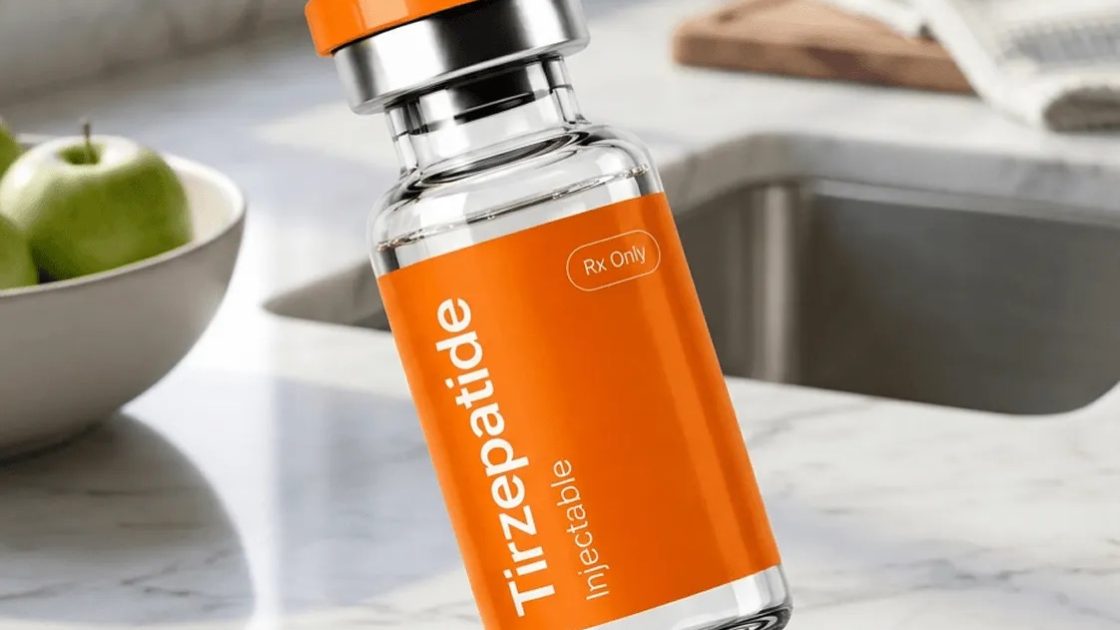
Willow charges $299 a month for compounded semaglutide. Trimi charges $99 for the same molecule. That $200 monthly gap — $2,400 a year — is one of the widest in the GLP-1 telehealth market, and it deserves a straight answer: what exactly are you buying when you pay it?
The head-to-head numbers
| Willow | Budget tier (Trimi, bmiMD, Lttl) | |
|---|---|---|
| Compounded semaglutide | $299/mo flat | $99–$129/mo |
| Compounded tirzepatide | $399/mo flat | $125–$199/mo |
| Oral (needle-free) option | Yes — same price as injection | Rare, or priced higher |
| Physician access | Unlimited messaging, included | Varies; often asynchronous check-ins |
| Prescription turnaround | Same-day review | Typically 1–3 days |
| Shipping | Free 2-day | Free standard, speed varies |
| 12-month cost (semaglutide) | ~$3,588 | ~$1,188–$1,548 |
Budget figures come from our reviews of Trimi and Lttl and bmiMD; the full market picture lives in our price index.
Where Willow’s premium is real
The tablet option. Willow prices oral semaglutide and tirzepatide identically to the injections. For needle-averse patients this is the whole ballgame — most budget programs simply don’t offer a daily oral format.
Speed. Same-day prescription review is faster than the one-to-three-day turnaround typical at the budget tier. If momentum matters to you, day one versus day three is psychological fuel.
Included care. Unlimited physician messaging and a 24/7 care team are baked in. Budget programs keep prices low partly by keeping clinical touchpoints lean. Research consistently shows adherence improves with more support contact — the question is whether that support is worth $200 a month to you specifically.
Where the budget tier wins
The math, obviously. Over a year, Trimi’s $99 flat rate totals about $1,188 against Willow’s $3,588 — the difference funds a family vacation. If you’re disciplined, comfortable with injections, and don’t expect to message a doctor weekly, the cheaper programs deliver the same active molecule from the same category of state-licensed compounding pharmacies.
Simplicity of commitment. The budget leaders we track run month-to-month with flat pricing at every dose. Willow also runs monthly and even lets you route the prescription to your own pharmacy — credit where due — but its refund window closes the moment a script reaches the pharmacy, so a change of heart mid-cycle costs you that month.
The part nobody’s ad mentions
Every compounded GLP-1 program — premium or budget — sits in the same regulatory lane: compounded medications are not FDA-approved products, and the FDA has publicly cautioned consumers about dosing errors with compounded semaglutide. The clinical evidence (15% average weight loss for semaglutide in NEJM’s STEP trials, about 20% for tirzepatide in SURMOUNT-1) comes from the approved versions. Price doesn’t change any of that; it changes the service around it.
Verdict: who should pick which
- Pick Willow if you want tablets instead of needles, same-day starts, and included physician access — and the $299–$399 line item doesn’t strain the budget. FSA/HSA eligibility helps.
- Pick the budget tier if cost is the constraint and you’re fine with a leaner service model. The molecule is the point, and it’s the same one.
Three people, three right answers
The needle-averse starter. She’s put off GLP-1s for a year specifically because of injections. For her, Willow’s $299 tablets aren’t a luxury — they’re the difference between starting and not starting. A cheaper injectable she never orders saves nothing.
The spreadsheet optimizer. He’s comfortable self-injecting, reads dosing charts for fun, and wants the molecule at the lowest sustainable price. Trimi at $99 or bmiMD’s $99 prepay tier wins, and it isn’t close. Over a typical 12-to-18-month treatment arc he keeps $2,400–$3,600.
The relapse-wary returner. She tried a discount program before, drifted after month two when questions went unanswered for days, and quit. The unlimited physician messaging and 24/7 care team are exactly the friction-remover she’s paying for. Adherence research keeps finding the same thing: support contact predicts persistence, and persistence predicts results.
Watch the dose-creep clause
One structural detail favors Willow more than the sticker price suggests: flat pricing at every dose. Budget programs often advertise their entry-dose rate; by the time you’ve titrated to a maintenance dose, some bills have climbed $50–$150 a month. Willow’s $299/$399 doesn’t move with dose. If you expect to land on a higher maintenance dose, re-run the year-one math before assuming the budget tier stays cheap — our price index flags which programs raise prices with dose and which don’t.
Bottom line
The $200-a-month question isn’t “is Willow better” — it’s “which failure mode are you buying insurance against?” If your risk is quitting from friction, Willow’s wrapper has a real job. If your risk is overpaying for service you won’t use, the budget tier is the honest answer.
How we compared
Numbers come from each program’s public pricing and checkout pages at the time of our full reviews, linked throughout. We compare entry pricing, ongoing pricing, formats offered, clinical touchpoints, and cancellation terms — not testimonials. One practical note before you pick either lane: compounded product availability varies by state on Willow and on most budget programs alike, so the first real step is the eligibility check, not the price chart. And whichever program you choose, the prescribing physician — not a pricing table — should confirm the molecule and dose fit your health history.
Is Willow’s tirzepatide worth $399 when others charge $125–$199?
Only if the oral format, same-day turnaround, or unlimited doctor access will genuinely change your adherence. The compound itself isn’t a different product tier.
Do budget GLP-1 programs cut clinical corners?
The reputable ones we review use the same class of state-licensed compounding pharmacies. The savings mostly come from leaner support staffing and slower turnaround, not the medication.
Can I switch programs mid-treatment?
Practically, yes — these are month-to-month subscriptions. Coordinate with the new program’s physician on dose continuity before you cancel the old one.
Related reading
Affiliate & medical disclosure: This review is independent and for information only, not medical advice. Some links may be affiliate links; we may earn a commission at no cost to you, which never affects our score. Consult a licensed provider before starting any product.