Almonds, Walnuts, and Pistachios: Comparing Tree Nuts for Heart Health and Snacking
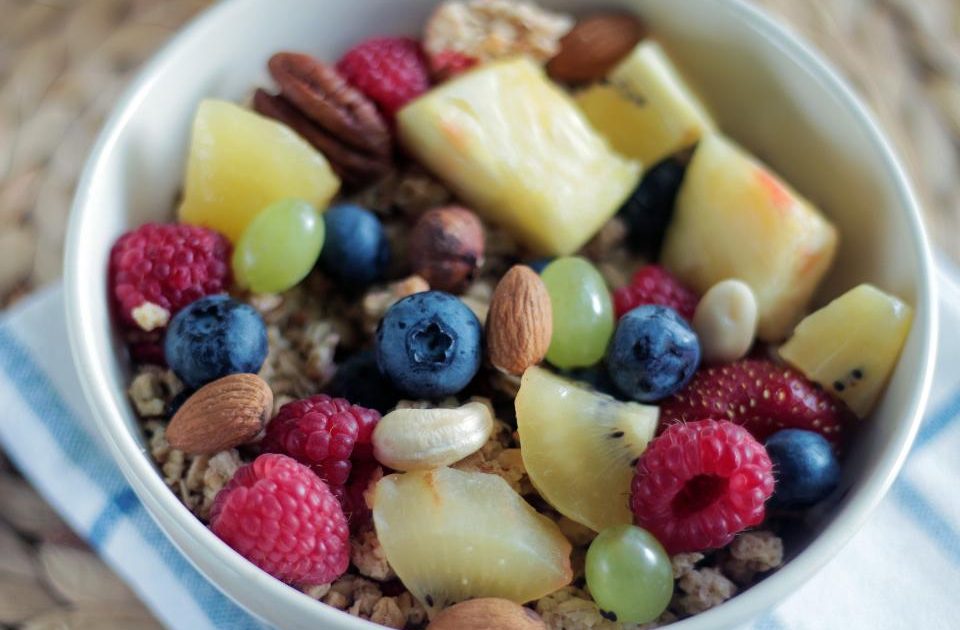
Grab a handful of almonds instead of a bag of chips and you’ve made a swap nutritionists have been recommending for decades — but not all nuts are interchangeable. Almonds, walnuts, and pistachios each bring a slightly different mix of fats, protein, and micronutrients to the table, and knowing the differences can help you choose the right one for your goals instead of just grabbing whatever’s on sale.
A common mistake is treating nuts as a diet food to be eaten in unlimited quantities because they’re ‘healthy.’ Nuts are calorie-dense, and portion size matters as much as which nut you pick. This guide breaks down what the research actually shows about each variety, how much to eat, and how to fit them into a balanced diet without derailing your calorie goals.
The Nutritional Profile of Each Nut
Almonds are relatively high in vitamin E, calcium, and fiber, with about 6 grams of protein per ounce (roughly 23 almonds). Walnuts stand out for their unusually high content of alpha-linolenic acid (ALA), a plant-based omega-3 fatty acid, making them one of the few nuts with a meaningful omega-3 contribution. Pistachios are lower in calories per ounce than most other nuts and offer a notable amount of potassium and lutein, an antioxidant linked to eye health.
- Almonds: highest in vitamin E and calcium among common tree nuts
- Walnuts: richest source of plant-based omega-3 (ALA) fatty acids
- Pistachios: lowest calorie density per ounce, high in potassium
All three share a similar backbone: they are predominantly unsaturated fat, contain fiber, and are cholesterol-free, which is part of why they show up consistently in heart-healthy eating patterns like the Mediterranean diet.
What the Evidence Says About Heart Health
The FDA has allowed a qualified health claim since 2003 stating that eating about 1.5 ounces per day of most nuts, as part of a diet low in saturated fat and cholesterol, may reduce the risk of heart disease. Research consistently shows that replacing saturated fats (like those in butter or fatty meats) with the unsaturated fats found in nuts is associated with improved cholesterol profiles.
The American Heart Association includes unsalted nuts as part of its recommended heart-healthy eating pattern, and meta-analyses suggest that regular nut consumption is associated with modestly lower rates of cardiovascular events in observational studies. It’s worth noting this evidence is strongest for nuts eaten in place of less healthy snacks, not simply added on top of an already high-calorie diet.
Protein, Satiety, and Weight Management
Despite being calorie-dense, nuts don’t consistently lead to weight gain in controlled studies, and some research points to a satiating effect that helps offset their calorie load. The combination of protein, fiber, and fat slows digestion and can blunt post-meal hunger better than refined-carbohydrate snacks with a similar calorie count.
That said, it’s easy to eat nuts mindlessly straight from a large container. Pre-portioning into small bags or bowls is a simple, well-supported strategy for keeping intake in the recommended range rather than doubling or tripling a serving without noticing.
Sodium, Roasting, and Added Sugar Traps
Plain, dry-roasted or raw nuts are the better default choice. Many flavored or honey-roasted varieties add substantial sugar and sodium, which can turn a heart-healthy snack into a source of hidden added sugar working against the American Heart Association’s guidance to limit added sugar to about 25 grams per day for women and 36 grams for men.
- Choose raw or dry-roasted over oil-roasted when possible
- Check labels for added sugar in flavored varieties (honey-roasted, candied)
- Watch sodium on salted nuts if you’re managing blood pressure
How Much Should You Actually Eat?
Most dietary guidance, including recommendations aligned with the Academy of Nutrition and Dietetics, points to about one ounce (a small handful, roughly 160-200 calories depending on the nut) as a standard serving, taken most days of the week. This amount fits comfortably into a balanced diet without crowding out other food groups.
A Simple Weekly Approach
- Keep pre-portioned 1-ounce servings on hand for grab-and-go snacking
- Rotate between almonds, walnuts, and pistachios across the week for a broader nutrient mix
- Add chopped nuts to oatmeal, salads, or yogurt instead of eating them as a separate snack, to encourage portion awareness
- Choose unsalted, unsweetened versions as your everyday default
- Save large-format nut mixes or trail mixes for occasional treats, since these are easy to overeat
If you have a nut allergy, are managing a condition that requires strict sodium or calorie control, or are unsure how nuts fit into your overall eating plan, a registered dietitian or healthcare provider can help tailor a recommendation to your needs.
Storage and Freshness
Because of their high unsaturated fat content, nuts can go rancid faster than many other pantry staples, especially walnuts, which have the highest omega-3 content and are therefore the most prone to oxidation. Rancid nuts develop a bitter, slightly paint-like taste and lose some of their beneficial fat quality, so freshness is worth paying attention to rather than assuming a sealed bag stays good indefinitely once opened.
Storing nuts in an airtight container in the refrigerator or freezer extends freshness and preserves both flavor and nutrient quality for several months longer than leaving them at room temperature, especially in a warm kitchen. Buying smaller quantities more frequently, rather than one large bulk bag that sits half-used for months, is a simple way to keep quality high without needing special equipment. In-shell nuts also tend to stay fresher longer than pre-shelled ones, since the shell slows oxidation.
If you’re new to incorporating more nuts into your routine, pairing them with a fruit or vegetable, such as apple slices with almond butter or a spinach salad topped with walnuts, is an easy way to build the habit while adding fiber and micronutrients from both foods at once.
Are pistachios really lower calorie than almonds and walnuts?
Per ounce, pistachios do tend to run slightly lower in calories than walnuts and are comparable to or slightly lower than almonds, partly because a larger share of their shell-included serving is inedible shell, which naturally limits overeating.
Can eating too many nuts cause weight gain?
Yes, if they’re added on top of your usual intake rather than replacing other snacks. Because nuts are calorie-dense, portion control matters even though they’re a nutritious choice.
Is it better to eat nuts raw or roasted?
Both raw and dry-roasted nuts retain most of their nutritional value. The main concern is added oil, sugar, and sodium in flavored varieties, not the roasting process itself.
Do nut butters offer the same benefits as whole nuts?
Natural nut butters with no added sugar or oil offer a similar nutrient profile, though it’s easier to overeat nut butter by the spoonful than a handful of whole nuts, so portion awareness still applies.
Related reading
Affiliate & medical disclosure: This review is independent and for information only, not medical advice. Some links may be affiliate links; we may earn a commission at no cost to you, which never affects our score. Consult a licensed provider before starting any product.