Lutein and Zeaxanthin: The Eye-Health Nutrients Hiding in Leafy Greens
Most people can name a vitamin for their bones or their immune system, but few could name a nutrient for their eyes. Yet the retina concentrates two plant pigments, lutein and zeaxanthin, at levels far higher than almost any other tissue in the body, and diets low in colorful vegetables often mean low reserves of both.
A common mistake is assuming carrots and “eye vitamins” are the whole story. Beta-carotene supports general vision, but lutein and zeaxanthin are the specific pigments that build up in the macula, the small central part of the retina responsible for sharp, detailed sight. Getting enough of them is less about a single food and more about a consistent pattern of eating.
What Lutein and Zeaxanthin Actually Do
Lutein and zeaxanthin are carotenoids, a family of yellow-orange plant pigments, but unlike beta-carotene, the body does not convert them into vitamin A. Instead, they travel to the eye and accumulate in the macula, where they form what researchers call macular pigment. This pigment acts like a pair of built-in sunglasses, filtering high-energy blue light before it reaches the light-sensitive photoreceptor cells.
The two pigments also function as antioxidants. The retina is exposed to constant light and oxygen, a combination that generates oxidative stress over time. Research consistently shows that higher macular pigment density is associated with better protection of retinal cells against this cumulative damage, particularly as people move through middle age and beyond.
The Evidence Behind the Eye-Health Claims
The strongest human evidence comes from long-running observational and supplementation research into age-related eye health. The National Institutes of Health funded a major trial known as AREDS2, which found that a supplement formula containing 10 mg of lutein and 2 mg of zeaxanthin, combined with other antioxidants, was associated with a reduced risk of progression in people who already had intermediate age-related macular degeneration.
The Academy of Nutrition and Dietetics notes that carotenoid-rich vegetables are consistently linked with better long-term eye health outcomes in population studies, though it emphasizes that food-based intake, not high-dose pills, should be the default approach for most healthy adults. Meta-analyses suggest that people with the highest dietary intake of lutein and zeaxanthin have measurably denser macular pigment than those with the lowest intake.
- AREDS2 (NIH-funded): 10 mg lutein plus 2 mg zeaxanthin daily was part of a formula linked to slowed progression of intermediate age-related macular degeneration.
- Population studies consistently associate higher dietary carotenoid intake with denser, more protective macular pigment.
- The eye’s macula concentrates lutein and zeaxanthin more than almost any other tissue in the body, which is why diet quality matters specifically for vision, not just general health.
Best Food Sources
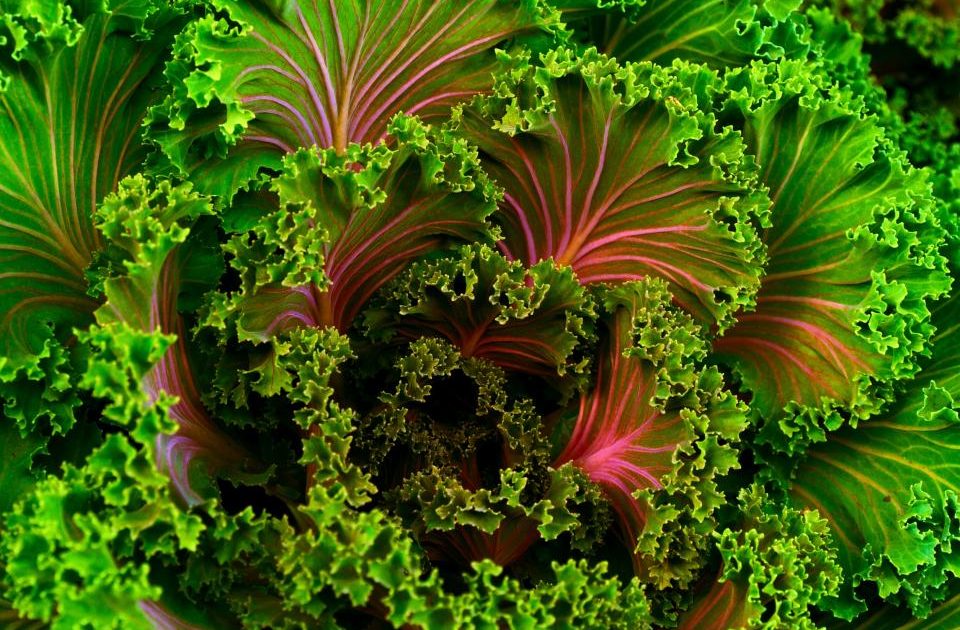
Dark leafy greens are the most concentrated everyday source, well ahead of the “eat carrots for your eyes” advice most people grew up with. Kale, spinach, and collard greens top most nutrient databases, but a surprising number of yellow and orange foods contribute meaningfully too.
- Kale, spinach, collard greens, and turnip greens — the most concentrated sources by a wide margin
- Egg yolks — lower total amount but a fat-soluble form the body absorbs efficiently
- Corn, orange bell peppers, and yellow squash
- Broccoli, peas, and Brussels sprouts
- Pistachios, which are unusual among nuts for containing meaningful amounts
Because lutein and zeaxanthin are fat-soluble, pairing greens with a source of fat, such as olive oil, avocado, or a whole egg, improves absorption considerably compared with eating the vegetables alone.
Who Should Pay Closer Attention
Everyone benefits from carotenoid-rich vegetables, but a few groups have extra reason to prioritize them. People with a family history of age-related macular degeneration, adults over 50, smokers (whose oxidative stress load is higher), and anyone who spends long hours looking at bright screens are common candidates for a closer look at their intake.
Smoking deserves a specific note: research consistently shows smokers tend to have lower blood carotenoid levels even at similar dietary intakes, and high-dose beta-carotene supplements are specifically discouraged in smokers due to unrelated lung-health concerns identified in past trials. This is one reason food-based lutein and zeaxanthin, rather than isolated high-dose supplements, are generally the safer default.
How to Apply This: A Simple Weekly Plan
You do not need a supplement aisle to raise your intake meaningfully. A few consistent habits, repeated across a week, will do more than an occasional large salad.
- Add one serving of dark leafy greens most days. A cup of raw spinach in a smoothie or sandwich, or a half-cup of cooked kale as a side, counts.
- Cook with a fat source. Sauté greens in olive oil or top a salad with avocado to boost absorption.
- Keep eggs in rotation. Two or three eggs a week is an easy, low-effort contributor.
- Snack on pistachios instead of a carotenoid-free option once or twice a week.
- Talk to a healthcare provider before starting a concentrated supplement, especially if you have an existing eye condition or take other medications, since supplement doses used in research are higher than typical dietary intake.
Consistency over months and years matters more than any single meal. Macular pigment builds up gradually, and research on dietary carotenoids suggests it can also decline gradually if intake drops, which is another reason to think of this as a long-term eating pattern rather than a short-term fix.
Caveats and Individual Variation
Not everyone absorbs and stores carotenoids at the same rate. Genetics, gut health, overall diet composition, and even body fat percentage can all influence how much of the lutein and zeaxanthin you eat actually reaches the macula. Some people with excellent diets still test lower on macular pigment density than others eating similarly, which is a reminder that food is a strong lever but not the only variable.
These nutrients are not a treatment for existing eye disease, and no food or supplement can reverse damage that has already occurred. Anyone noticing changes in their vision, including blurriness, distorted lines, or blind spots, should see an eye care professional promptly rather than relying on diet alone.
Can I get enough lutein and zeaxanthin from a normal diet without supplements?
Most healthy adults can reach meaningful intake through food alone, particularly with regular servings of leafy greens, eggs, and yellow-orange vegetables. Supplements are typically reserved for people with diagnosed eye conditions under medical guidance, following doses similar to those studied in trials like AREDS2.
Is spinach or kale better for eye health?
Both are excellent sources, and the differences between them are small compared with the gap between eating either regularly versus rarely. Rotating between several leafy greens is a simple way to diversify overall nutrient intake at the same time.
Do lutein and zeaxanthin help with screen-related eye strain?
They are not a direct treatment for digital eye strain, which is more closely tied to blink rate and screen habits. Their role is longer-term protection of retinal tissue rather than immediate symptom relief.
At what age should I start paying attention to these nutrients?
There is no minimum age; children and young adults benefit from carotenoid-rich vegetables as part of general nutrition. That said, the eye-health case for prioritizing lutein and zeaxanthin becomes more specific from around age 40 onward, when the risk of age-related macular changes begins to rise.
Related reading
Affiliate & medical disclosure: This review is independent and for information only, not medical advice. Some links may be affiliate links; we may earn a commission at no cost to you, which never affects our score. Consult a licensed provider before starting any product.