Allium Vegetables: What Garlic and Onions Really Do for Your Health
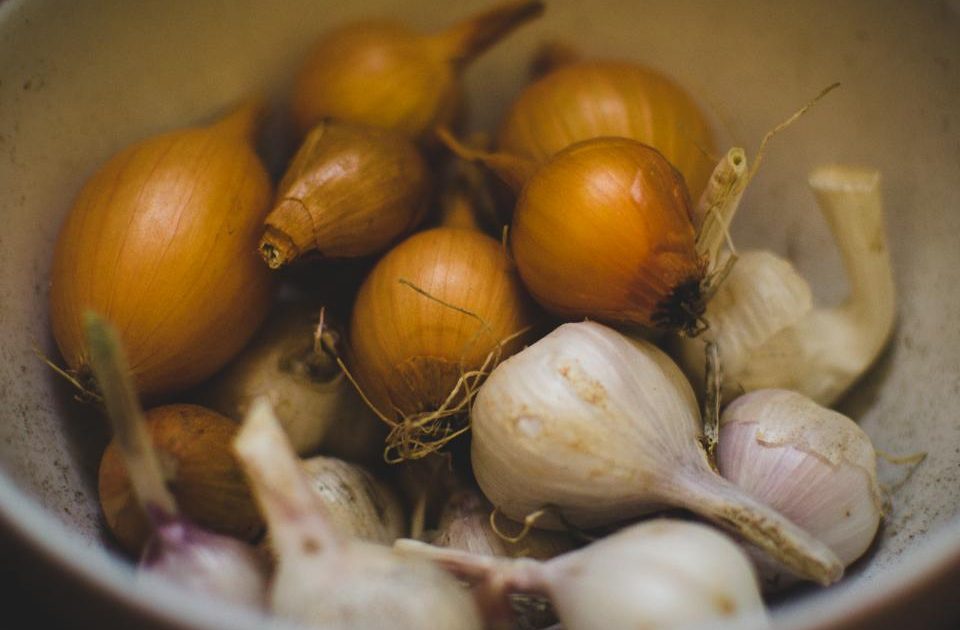
Garlic and onions show up in almost every savory dish on the planet, but most people add them purely for flavor and never think about what else they might be doing. A common mistake is treating alliums as a garnish rather than a functional food: the sulfur compounds that make raw garlic sting your eyes and linger on your breath are the same compounds researchers have spent decades studying for their effects on the heart, the immune system, and blood sugar control.
The allium family includes garlic, onions, leeks, shallots, scallions, and chives. They share a chemical signature built around sulfur-containing molecules like allicin, which forms only when garlic is crushed, chopped, or chewed. This article breaks down what the evidence actually supports, how much you would realistically need to eat to matter, and simple ways to work more alliums into everyday meals.
What Makes Alliums Chemically Unique
When a garlic clove is intact, it contains a compound called alliin and an enzyme called alliinase, kept in separate cellular compartments. Crushing or chopping ruptures the cell walls, letting the enzyme convert alliin into allicin, a highly reactive sulfur compound. Allicin is unstable and breaks down within minutes into a cascade of other sulfur compounds, some of which are believed to be responsible for garlic’s biological effects.
Onions contain a related but distinct set of sulfur compounds and are also rich in quercetin, a flavonoid antioxidant. Cooking changes the chemistry considerably: high heat deactivates the alliinase enzyme, which is why some nutrition educators suggest chopping garlic and letting it sit for ten minutes before cooking, to allow allicin formation to begin first.
Heart Health and Blood Pressure
Cardiovascular effects are the most studied area of allium research. Meta-analyses suggest that garlic supplementation can produce a modest reduction in blood pressure in people with hypertension, generally in the range of several points systolic and diastolic, an effect that is smaller than medication but potentially meaningful when combined with other lifestyle changes. The American Heart Association (AHA) does not recommend garlic as a replacement for prescribed blood pressure treatment, but does support dietary patterns rich in vegetables, including alliums, as part of a heart-healthy eating pattern.
Garlic and onions have also been studied for their effects on cholesterol and blood vessel function. Research consistently shows mild improvements in total and LDL cholesterol with regular garlic intake, though the effect size varies significantly between studies depending on the form used (raw, aged, or powdered).
- Blood pressure: modest reductions reported with regular garlic intake in people with elevated readings
- Cholesterol: small but consistent improvements in some trials, more so with aged garlic extract
- Blood vessel function: some evidence of improved arterial flexibility with regular intake
Immune Support and Antioxidant Activity
Garlic has a long folk history as an immune booster, and modern research offers some support for that reputation, though it is often overstated in marketing. The National Institutes of Health (NIH) notes that garlic has been studied for its potential to reduce the frequency and duration of common colds, with some trials showing a modest benefit, though the overall body of evidence is still considered limited and more research is needed before strong claims can be made.
Onions and garlic both contain antioxidant compounds, including flavonoids and organosulfur compounds, that help neutralize oxidative stress at the cellular level. Diets consistently rich in allium vegetables and other antioxidant-dense produce are associated with lower markers of inflammation, though isolating the effect of alliums specifically from an overall vegetable-rich diet is difficult in observational research.
Blood Sugar and Metabolic Health
Emerging research has looked at alliums and blood sugar regulation. Some studies suggest garlic and onion compounds may modestly improve insulin sensitivity and fasting glucose levels, particularly in people with insulin resistance or type 2 diabetes, though results are inconsistent across trials and doses used in research often exceed typical dietary intake.
The Academy of Nutrition and Dietetics generally frames alliums as part of a broader pattern of vegetable-rich eating that supports metabolic health, rather than a standalone fix. Alliums are also naturally low in calories and carbohydrates, which makes them easy to include in almost any eating pattern, including lower-carbohydrate and Mediterranean-style diets.
How to Apply This: Getting More Alliums Into Your Diet
You do not need supplements to benefit from alliums; consistent dietary intake is the most practical approach for most people. Here is a simple way to build more into your week:
- Chop garlic and let it rest 10 minutes before cooking to preserve more allicin formation.
- Add raw or lightly cooked onion to salads, salsas, and grain bowls a few times a week.
- Use leeks and shallots as a base for soups and sautés instead of relying solely on garlic powder.
- Roast whole garlic heads and spread the softened cloves on whole-grain bread as a flavorful, lower-sodium alternative to butter.
- If you dislike the taste or smell, consider that cooked alliums are milder and still provide many of the same nutrients as raw.
Aim for consistency rather than large single doses; a few servings of alliums spread across the week is more sustainable and likely more beneficial than an occasional large amount.
Precautions and Individual Variation
Alliums are generally safe for most people, but a few caveats are worth knowing. Garlic can interact with blood-thinning medications because of its mild effect on platelet function, so anyone on anticoagulants should discuss regular high-dose garlic or garlic supplements with a healthcare provider. Some people also experience digestive discomfort, including bloating or reflux, particularly with raw garlic or onion, and those with FODMAP sensitivities may need to limit intake or rely more on the green tops of scallions and leeks, which contain fewer fermentable compounds than the bulb.
As with most single foods, individual response varies. Alliums are best understood as one useful piece of a broader vegetable-rich, whole-food dietary pattern rather than a cure-all.
Do I need to eat garlic raw to get the benefits?
No. Cooking reduces some of the more reactive sulfur compounds, but garlic and onions retain meaningful antioxidant and flavonoid content when cooked. Letting chopped garlic rest before adding it to heat helps preserve more of its active compounds.
How much garlic or onion should I eat for a health benefit?
There is no official dosage, but many studies use amounts equivalent to one to two cloves of garlic or a small onion daily. Regular, moderate intake as part of meals is a reasonable and safe target for most healthy adults.
Can garlic supplements replace blood pressure medication?
No. While some research shows modest blood-pressure-lowering effects, garlic supplements should never replace prescribed medication. Talk to a healthcare provider before making any changes to a treatment plan.
Why does garlic upset my stomach sometimes?
Garlic and onions are high in fructans, a type of fermentable carbohydrate that can cause bloating or discomfort in people with sensitive digestion or IBS. Cooking, using smaller amounts, or favoring the green parts of alliums can help reduce symptoms.
Related reading
Affiliate & medical disclosure: This review is independent and for information only, not medical advice. Some links may be affiliate links; we may earn a commission at no cost to you, which never affects our score. Consult a licensed provider before starting any product.