Meal Prep Basics: A Simple System for Eating Well All Week
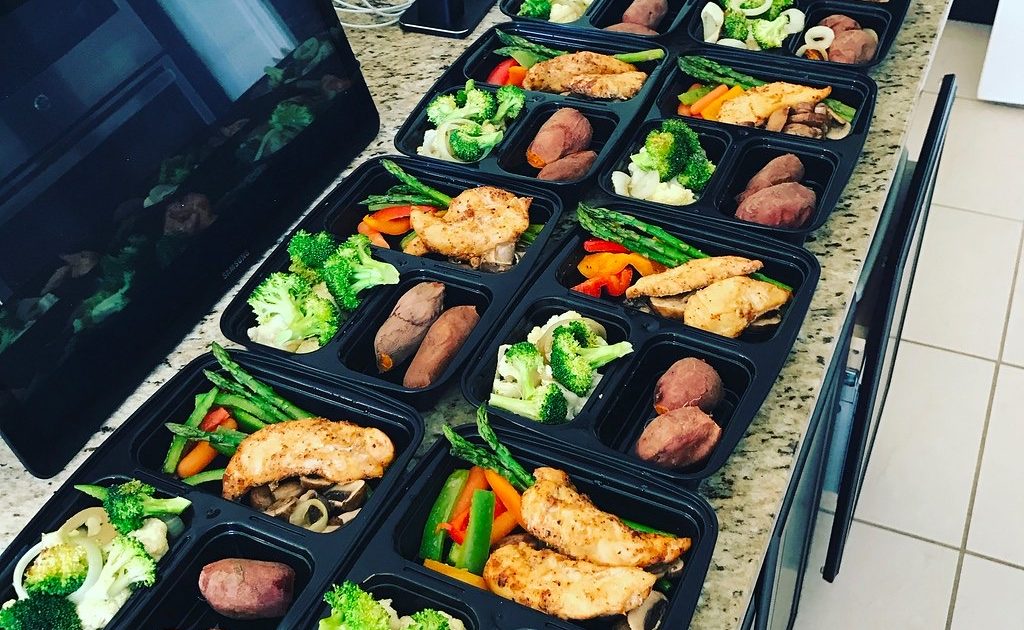
Meal prepping has a reputation for requiring hours in the kitchen every Sunday and a freezer full of identical containers. In practice, effective meal prep is more about building a repeatable system than following a rigid, all-or-nothing ritual — and a simple system is far more sustainable long-term than an elaborate one that burns out after a few weeks.
This guide breaks down the core principles of meal prep, common mistakes that cause people to quit, and a realistic weekly system to build eating well into a busy schedule.
Why Meal Prep Works
The core benefit of meal prep isn’t the specific recipes — it’s removing decision fatigue and time pressure from daily eating choices. Research on decision-making consistently shows that willpower and good judgment decline over the course of a busy day, which is exactly when convenient, less nutritious options tend to win by default. Having prepared components ready removes that decision point entirely.
Meal prep also supports consistent portion sizes and macronutrient balance (protein, fiber, healthy fats) without needing to calculate everything from scratch each day, which is particularly useful for anyone managing weight, blood sugar, or a busy schedule.
Component Prep vs. Full-Meal Prep
Full-meal prep — cooking complete meals in bulk and portioning them into containers — works well for people who eat similar meals repeatedly and don’t mind variety trade-offs. Component prep — cooking base ingredients (a protein, a grain, a few vegetables) separately and mixing them differently throughout the week — tends to be more sustainable for people who want variety without the boredom of eating the exact same meal five days running.
- Full-meal prep: best for consistency and minimal daily decisions
- Component prep: best for variety and flexibility across the week
- Hybrid approach: prep 2-3 proteins/grains, combine differently each day
The Building Blocks of a Balanced Prepped Meal
A useful mental framework is to prep across four categories and combine one item from each at mealtime: a protein source, a fiber-rich carbohydrate, vegetables, and a healthy fat. This naturally builds a balanced plate without needing to calculate macros for every meal.
- Protein: chicken, salmon, tofu, beans, lentils, eggs
- Fiber-rich carbs: brown rice, quinoa, farro, roasted sweet potato
- Vegetables: roasted or steamed mixed vegetables, leafy greens
- Healthy fats: olive oil, avocado, nuts, seeds
Common Meal Prep Mistakes That Cause People to Quit
Overcomplicating the first attempt — trying five different elaborate recipes in one prep session — is the most common reason people burn out after a week or two. Another frequent mistake is not accounting for texture changes in storage; some vegetables and proteins hold up better than others over several days, and prepping delicate ingredients (like leafy salad greens) too far in advance leads to soggy, unappealing leftovers.
Underestimating storage and reheating logistics is also common — meal prep works best with a consistent set of containers and a realistic understanding of how long each component keeps safely in the fridge (generally 3-4 days for most cooked proteins and grains).
Making It Sustainable Long-Term
The most sustainable meal prep systems start small — 2-3 components prepped for 3-4 days, rather than a full week of every meal from day one. Building the habit gradually, and adjusting the system based on what you actually eat rather than an idealized version, leads to far better long-term adherence than an ambitious first attempt that collapses under its own complexity.
How to Apply This: A Simple Weekly Prep System
- Pick one prep day (commonly Sunday) and block out 60-90 minutes.
- Choose 2 proteins, 1-2 fiber-rich carbs, and 2-3 vegetables to batch-cook.
- Cook proteins and grains together (often in the oven or a sheet pan) to save time.
- Store components separately in clear containers, labeled with the date prepared.
- At each meal, combine one protein + one carb + vegetables + a healthy fat, varying sauces or seasonings to prevent flavor fatigue.
- Prep delicate items (leafy greens, fresh herbs) closer to eating rather than at the start of the week.
How long does meal-prepped food actually last in the fridge?
Most cooked proteins, grains, and roasted vegetables keep safely for about 3-4 days refrigerated; freezing extends this significantly if you prep further in advance.
Is meal prep only useful for weight loss?
No — meal prep supports any nutrition goal, including muscle building, blood sugar management, or simply eating more consistently on a busy schedule, since the core benefit is convenience and reduced daily decision-making.
What if I get bored eating the same prepped meals?
Component prep — cooking base ingredients separately and varying sauces, spices, or combinations — addresses this better than full-meal prep, which repeats identical meals throughout the week.
Do I need special containers for meal prep?
Basic reusable containers are sufficient; glass containers tend to reheat more evenly and resist staining better than plastic, but either works for a beginner system.
Related reading
Affiliate & medical disclosure: This review is independent and for information only, not medical advice. Some links may be affiliate links; we may earn a commission at no cost to you, which never affects our score. Consult a licensed provider before starting any product.