The Set Point Theory of Weight: Why Your Body Resists Change
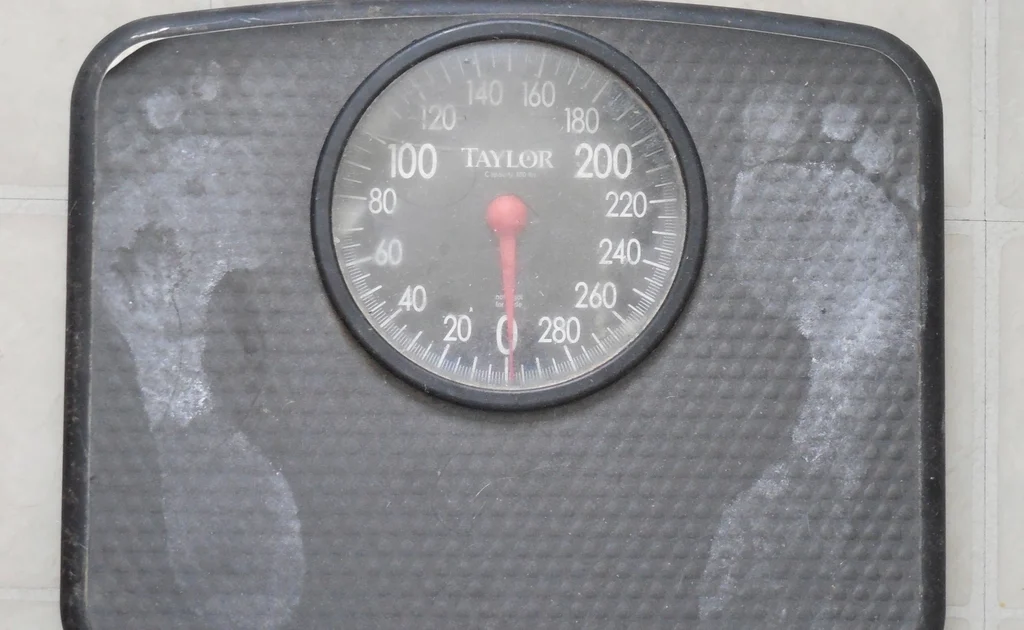
Anyone who has lost a significant amount of weight and then watched it creep back has probably wondered if their body was actively working against them. A common mistake is assuming weight regain means a lack of willpower — but a growing body of research suggests something more biological is often at play: your body may be defending a specific weight range, adjusting hunger and metabolism to pull you back toward it.
This idea, known as set point theory, doesn’t mean your weight is fixed forever or that effort is pointless. It means the process of lasting weight change is often working against real physiological resistance, not just habits — and understanding that resistance can make the difference between a sustainable approach and a frustrating cycle of loss and regain.
What Set Point Theory Actually Proposes
Set point theory suggests the body has a genetically and environmentally influenced weight range it tends to defend through hormonal and metabolic adjustments. When you lose weight, particularly through significant calorie restriction, the body doesn’t just passively accept the new lower weight — it often responds by increasing hunger hormones like ghrelin, decreasing satiety hormones like leptin, and slowing resting metabolic rate more than would be predicted by the weight loss alone, a phenomenon sometimes called adaptive thermogenesis.
This isn’t a fringe idea. Research consistently shows that after significant weight loss, many people experience these compensatory hormonal shifts for an extended period, sometimes lasting a year or more, which helps explain why maintaining weight loss is often harder than losing the weight in the first place.
Why Your Body Defends Weight More Than It Defends Weight Gain
One striking asymmetry in the research is that the body appears to resist weight loss more vigorously than it resists weight gain. This likely reflects evolutionary pressure — throughout most of human history, starvation was a far more immediate survival threat than excess body fat, so the body evolved strong mechanisms to defend against energy deficits but weaker ones to prevent surplus storage.
This asymmetry means that “eat less, move more” as a permanent strategy fights an uphill physiological battle for many people, particularly after a large amount of weight has been lost. It doesn’t mean weight loss is impossible — millions of people successfully lose weight and keep it off — but it does mean the maintenance phase deserves as much strategic attention as the loss phase, arguably more.
- Hunger hormone shifts (increased ghrelin) can persist long after weight loss stabilizes
- Resting metabolic rate can drop more than predicted by body composition changes alone
- Non-exercise activity (fidgeting, posture, unconscious movement) tends to decrease unconsciously during and after dieting
Can the Set Point Actually Shift?
Yes — set point isn’t destiny. Evidence suggests the defended weight range can shift over time, in both directions, based on sustained changes in diet quality, activity level, sleep, and stress management. People who maintain weight loss for several years often see some of the compensatory hormonal pressure ease, suggesting the body can gradually recalibrate what it defends, though this process is typically slow and inconsistent between individuals.
Conversely, repeated cycles of rapid weight loss and regain (sometimes called “yo-yo dieting”) may make maintenance progressively harder over time for some people, reinforcing why a sustainable, moderate approach tends to outperform aggressive short-term diets for long-term outcomes.
What This Means for How You Approach Weight Management
If your body has genuine physiological mechanisms working to restore a previous weight, then strategies that ignore this reality are set up to struggle. This doesn’t mean giving up on weight goals — it means choosing an approach built for the long defense phase, not just the initial loss phase.
The Academy of Nutrition and Dietetics generally recommends moderate, gradual weight loss (roughly 0.5-1kg or about 1-2 pounds per week) over aggressive crash dieting, partly because slower loss appears to provoke a smaller compensatory hormonal response than rapid, severe restriction. Pairing this with resistance training to preserve muscle mass, adequate protein and sleep, and stress management gives the body fewer signals that it’s in a state of emergency.
How to Apply This: A Maintenance-First Approach
Rather than treating weight loss and maintenance as separate phases, build habits during the loss phase that you can sustain indefinitely.
- Aim for a moderate calorie deficit rather than an extreme one — smaller deficits tend to provoke less severe hunger and metabolic adaptation
- Prioritize protein intake (roughly 1.2-2.0 g/kg body weight for active adults) to help preserve lean mass and support satiety during a deficit
- Include resistance training at least twice a week to protect metabolically active muscle tissue during weight loss
- Protect sleep — insufficient sleep is consistently linked to increased hunger hormone activity and harder appetite control
- Plan a structured maintenance phase after reaching your goal rather than assuming the work is done once the number on the scale changes
- Track behaviors (protein intake, activity, sleep) rather than obsessing solely over the scale, since weight naturally fluctuates day to day
This approach won’t eliminate the biological pressure to regain weight, but it reduces the intensity of that pressure and builds sustainable habits that make long-term maintenance more realistic than a crash-diet-and-hope cycle.
When to Seek Professional Support
If you’ve experienced repeated cycles of weight loss and regain despite consistent effort, it may be worth working with a registered dietitian, physician, or obesity medicine specialist. Set point-related resistance varies significantly between individuals due to genetics, medical history, and past dieting patterns, and a professional can help tailor an approach — including, where appropriate, medical options — rather than assuming more willpower alone will solve a physiological challenge.
Does set point theory mean I can never lose weight permanently?
No. It means the body actively resists loss and defends a weight range, which makes maintenance harder than many people expect — but the set point itself can shift over time with sustained lifestyle changes, and many people do successfully maintain significant weight loss long-term.
Why do I get hungrier after losing weight, even after the diet ends?
Compensatory increases in hunger hormones like ghrelin, alongside decreases in satiety signals, can persist for a year or longer after weight loss, which is a documented physiological response rather than a sign of weak willpower.
Does losing weight slowly really make a difference for keeping it off?
Evidence suggests gradual, moderate weight loss tends to provoke a milder metabolic and hormonal compensatory response than rapid, severe restriction, which is part of why moderate approaches are generally recommended for long-term success.
Can exercise alone override set point resistance?
Exercise, particularly resistance training, helps by preserving muscle mass and supporting metabolic rate, but it works best combined with adequate protein, sleep, and a moderate rather than extreme calorie deficit — no single lever fully overrides the body’s compensatory response.
Related reading
Affiliate & medical disclosure: This review is independent and for information only, not medical advice. Some links may be affiliate links; we may earn a commission at no cost to you, which never affects our score. Consult a licensed provider before starting any product.