The Romanian Deadlift: Building Hamstring and Glute Strength
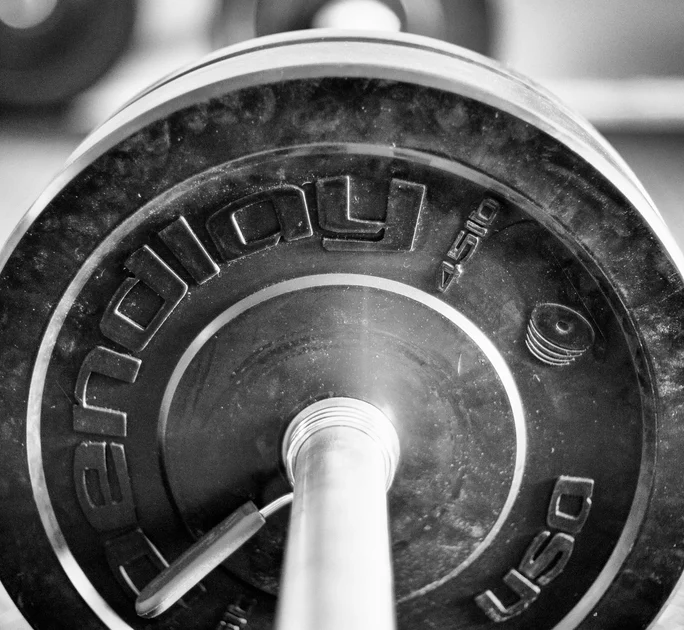
Most people who walk into a gym know the conventional deadlift. Far fewer have been properly introduced to its close cousin, the Romanian deadlift, even though it may be the single best exercise for building strength through the back of the body — the hamstrings, glutes, and lower back — while teaching a movement pattern, the hip hinge, that carries over into everyday life.
The Romanian deadlift, often shortened to RDL, is frequently done wrong: too much knee bend, too little control, or too much weight before the pattern is grooved. Done correctly, it is one of the most efficient posterior-chain exercises available, and it belongs in nearly every well-rounded strength program.
What Makes the Romanian Deadlift Different
Unlike a conventional deadlift, which starts from the floor with the hips and knees both bent significantly, the Romanian deadlift starts from a standing position with the bar at hip height. The knees stay in a slight, mostly fixed bend throughout, and nearly all of the movement comes from hinging at the hips as the torso lowers the bar along the legs.
This subtle difference shifts the emphasis heavily onto the hamstrings and glutes rather than distributing load across the quads, hips, and back the way a conventional deadlift does. The result is a more targeted stretch and contraction of the posterior chain, which is one reason strength coaches use it both for building muscle and for addressing common hamstring weakness.
Why the Hip Hinge Pattern Matters
The hip hinge — bending at the hips while keeping the spine relatively neutral — is arguably the single most important movement pattern for protecting the lower back during everyday tasks like lifting a bag of groceries, picking up a child, or gardening. Many people default to bending through the lower back instead, which places far more strain on the spine over repeated exposures.
The WHO recommends adults get muscle-strengthening activity involving major muscle groups on two or more days per week, alongside at least 150 minutes of moderate-intensity aerobic activity weekly, as part of a well-rounded routine — and hip-hinge movements like the Romanian deadlift are an efficient way to meet the strength portion of that guidance while reinforcing a movement pattern with real everyday carryover. Research consistently shows that two to three focused strength sessions per week are enough to produce measurable strength gains in most adults, so the Romanian deadlift does not need to be trained daily to be effective.
- Strengthens the hamstrings and glutes through a full range of motion
- Reinforces a hip-hinge pattern that protects the lower back in daily life
- Improves hip mobility and hamstring flexibility over time
- Complements squat and deadlift variations already in a program
Common Form Mistakes
The most frequent error is rounding the lower back as the bar descends, usually because the person is trying to reach too far toward the floor. The goal is not maximum range of motion at any cost — it is control through whatever range keeps the spine in a stable, neutral position, typically stopping around mid-shin to just below the knee for most people.
A second common mistake is bending the knees too much, which turns the movement into something closer to a stiff squat and takes tension off the hamstrings. The knees should have a small, mostly constant bend rather than actively flexing and extending during the lift.
- Rounding the lower back to chase extra range of motion
- Bending the knees excessively instead of hinging at the hips
- Letting the bar drift away from the legs, adding strain to the low back
- Rushing the lowering phase instead of controlling it
Who Should Be Cautious
Anyone with an existing lower back injury, significant hamstring strain, or limited hip mobility should approach the Romanian deadlift carefully, starting with light loads or even just a broomstick to groove the pattern before adding weight. Working with a qualified trainer for the first several sessions is a reasonable investment, and checking in with a healthcare provider first is sensible if you have a history of back pain or disc issues.
For most healthy adults, though, the exercise is well tolerated and its benefits for hamstring and glute strength are well established in strength-training literature and coaching practice alike.
Romanian Deadlift Variations Worth Knowing
The standard barbell Romanian deadlift is only one version of the movement. Single-leg Romanian deadlifts, performed with a dumbbell or kettlebell, add a balance and stability challenge while addressing left-right strength differences that a bilateral barbell lift can mask. This variation is particularly useful for runners and field-sport athletes, whose movements are rarely symmetrical.
Dumbbell Romanian deadlifts are often a gentler entry point than a barbell version for beginners, since the weight can be adjusted in smaller increments and the range of motion is easier to control without a fixed bar path. Resistance band Romanian deadlifts offer another accessible variation for home workouts, providing continuous tension through the hip-hinge pattern without requiring a full barbell setup.
Regardless of the variation, the underlying goal stays the same: control the hip hinge, keep the spine neutral, and let the hamstrings and glutes do the work rather than the lower back.
How to Apply This: A Step-by-Step Plan
- Start with just a light barbell or a pair of dumbbells to learn the hip-hinge pattern before adding meaningful weight.
- Stand with feet hip-width apart, holding the weight in front of your thighs.
- Push your hips back while keeping a soft bend in the knees, lowering the weight along your legs as your torso tips forward.
- Stop once you feel a firm stretch in your hamstrings — usually around mid-shin — without rounding your lower back.
- Drive your hips forward to return to standing, squeezing your glutes at the top rather than leaning back excessively.
- Aim for 3 sets of 8-12 controlled repetitions, once or twice per week, progressing load gradually as your form stays solid.
Is the Romanian deadlift the same as a stiff-leg deadlift?
They are closely related but not identical. The stiff-leg deadlift typically keeps the knees nearly straight and often starts from the floor, while the Romanian deadlift allows a slight knee bend and starts from a standing position, generally making it more comfortable for the lower back.
How much weight should I use to start?
Start lighter than you think you need — even an empty barbell or a pair of light dumbbells — until the hip-hinge pattern feels controlled and your back stays neutral throughout the full range.
Will Romanian deadlifts help my squat or conventional deadlift?
Yes, in most cases. Stronger hamstrings and glutes support both movements, and the hip-hinge pattern you build here transfers directly into more stable, powerful conventional deadlifts.
How often should I do this exercise?
Once or twice per week is generally enough for most people to see steady strength gains, giving the hamstrings adequate recovery time between sessions, especially since they are also worked indirectly during squats and other lower-body training.
Related reading
Affiliate & medical disclosure: This review is independent and for information only, not medical advice. Some links may be affiliate links; we may earn a commission at no cost to you, which never affects our score. Consult a licensed provider before starting any product.